The Trial of Klaus Barbie

Reading Time: 4 minutes · In the summer of 1987, Lyon put its wartime Gestapo chief on trial. Klaus Barbie, the ‘Butcher of Lyon’, was convicted of crimes against humanity and sentenced to life in prison.
Classic cases, told from the record.
Court cases that gripped the public, explained from transcripts, verdicts and the evidence the jury actually heard.
A case belongs here when the trial itself became a public event — crowds outside the courthouse, headlines every morning, a verdict the whole country waited for. “Solved” in this section has a narrower meaning than elsewhere on the site: it means the court reached a verdict. A verdict settles the legal question, but it does not always settle the historical one. Evidence can be disputed, appeals can overturn a conviction, and a not-guilty verdict can leave the central question open for decades.
We explain each trial from the record: the charges, the evidence the jury heard, the verdict, and what happened afterwards. Where the evidence was contested — a disputed confession, a forensic method later discredited, a witness who changed their story — we say so, and we separate what was proved in court from what was merely argued.
Filter: All (200) · Unsolved (119) · Cold (43) · Solved (38)
Reading Time: 4 minutes · In the summer of 1987, Lyon put its wartime Gestapo chief on trial. Klaus Barbie, the ‘Butcher of Lyon’, was convicted of crimes against humanity and sentenced to life in prison.

Reading Time: 5 minutes · On Valentine’s Day 2013, Oscar Pistorius shot his girlfriend Reeva Steenkamp four times through a locked toilet door, saying he believed an intruder was inside. The case turned on what he intended in those moments — and the verdict changed twice, from culpable homicide to murder, before the courts were done with him.

Reading Time: 4 minutes · In 1932, the twenty-month-old son of Charles Lindbergh was taken from his nursery, and the ransom notes that followed became the most famous crime in America. Bruno Hauptmann was convicted on a wholly circumstantial case and executed in 1936 — yet the doubts about his guilt, and about the evidence that put him in the chair, have never gone away.
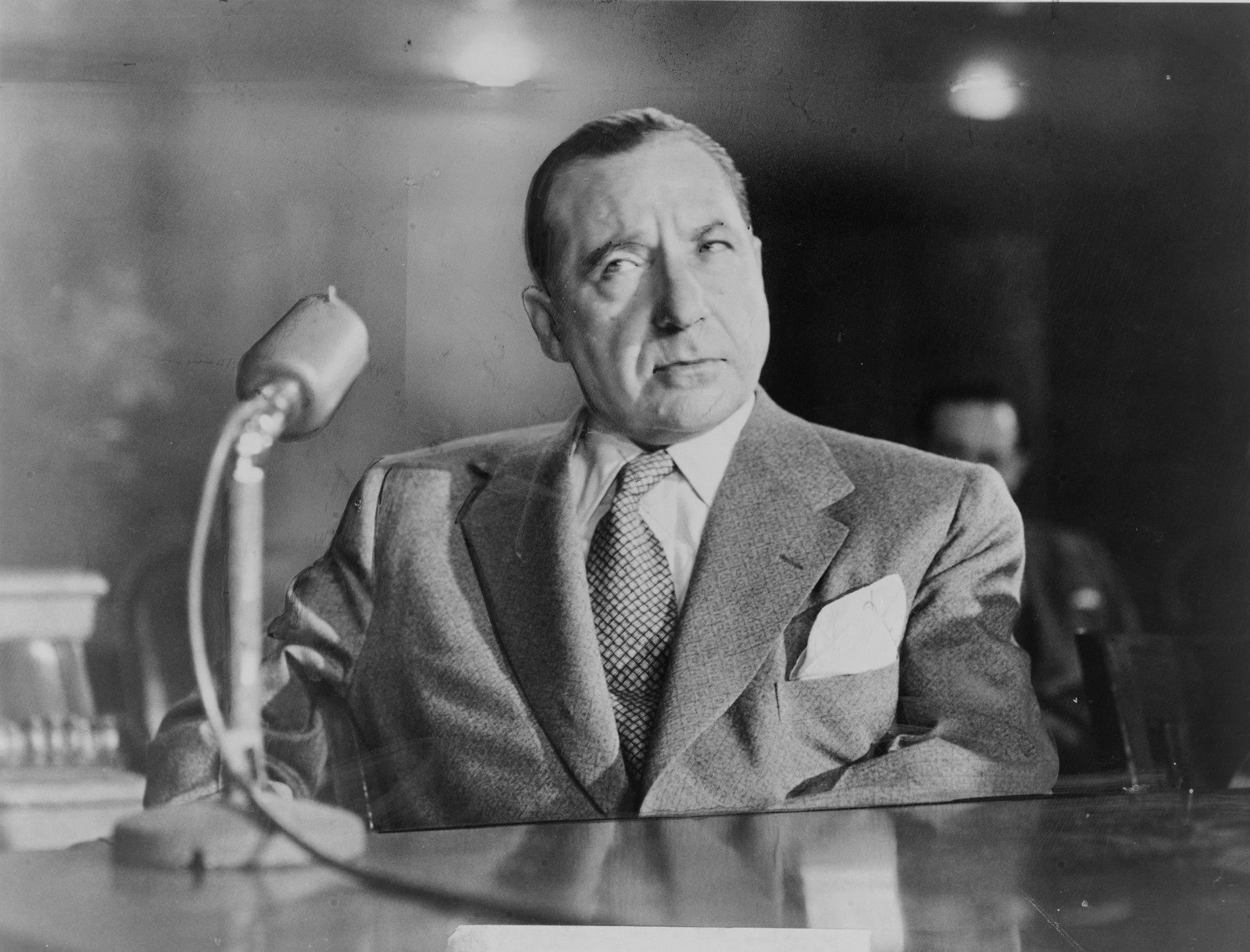
Reading Time: 4 minutes · Frank Costello was the most powerful Mafia boss in America who never wanted to look like one — a bootlegger who became the “Prime Minister of the Underworld”. He testified before the Kefauver Committee with only his hands on camera, was brought down not by murder but by tax evasion, and survived a shooting by his own underboss’s gunman — yet refused to name him, and walked away from the Mafia on his own terms.
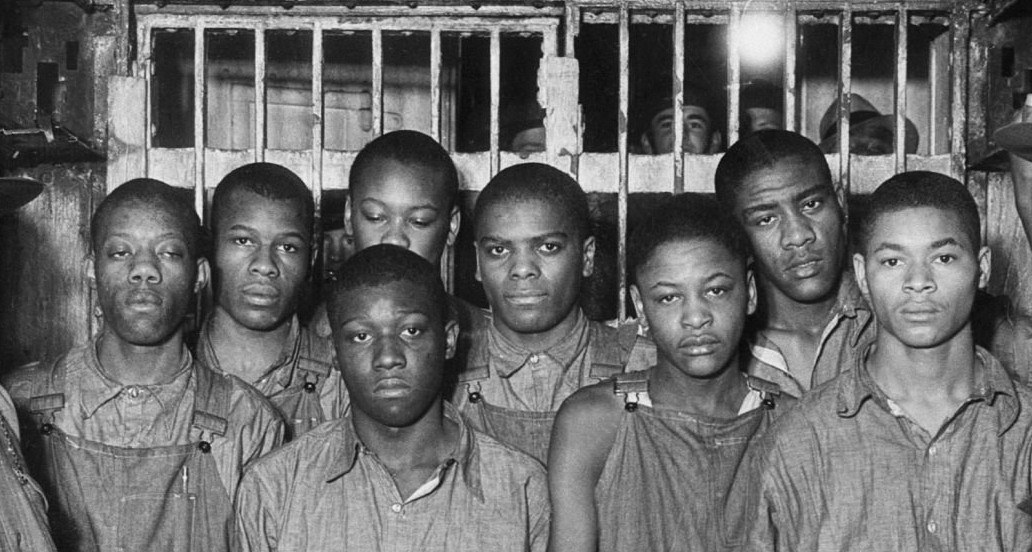
Reading Time: 5 minutes · In April 1931, nine Black teenagers were tried in Scottsboro, Alabama, on false rape charges — and convicted within days. The case produced two landmark Supreme Court rulings, but justice for the nine took decades.
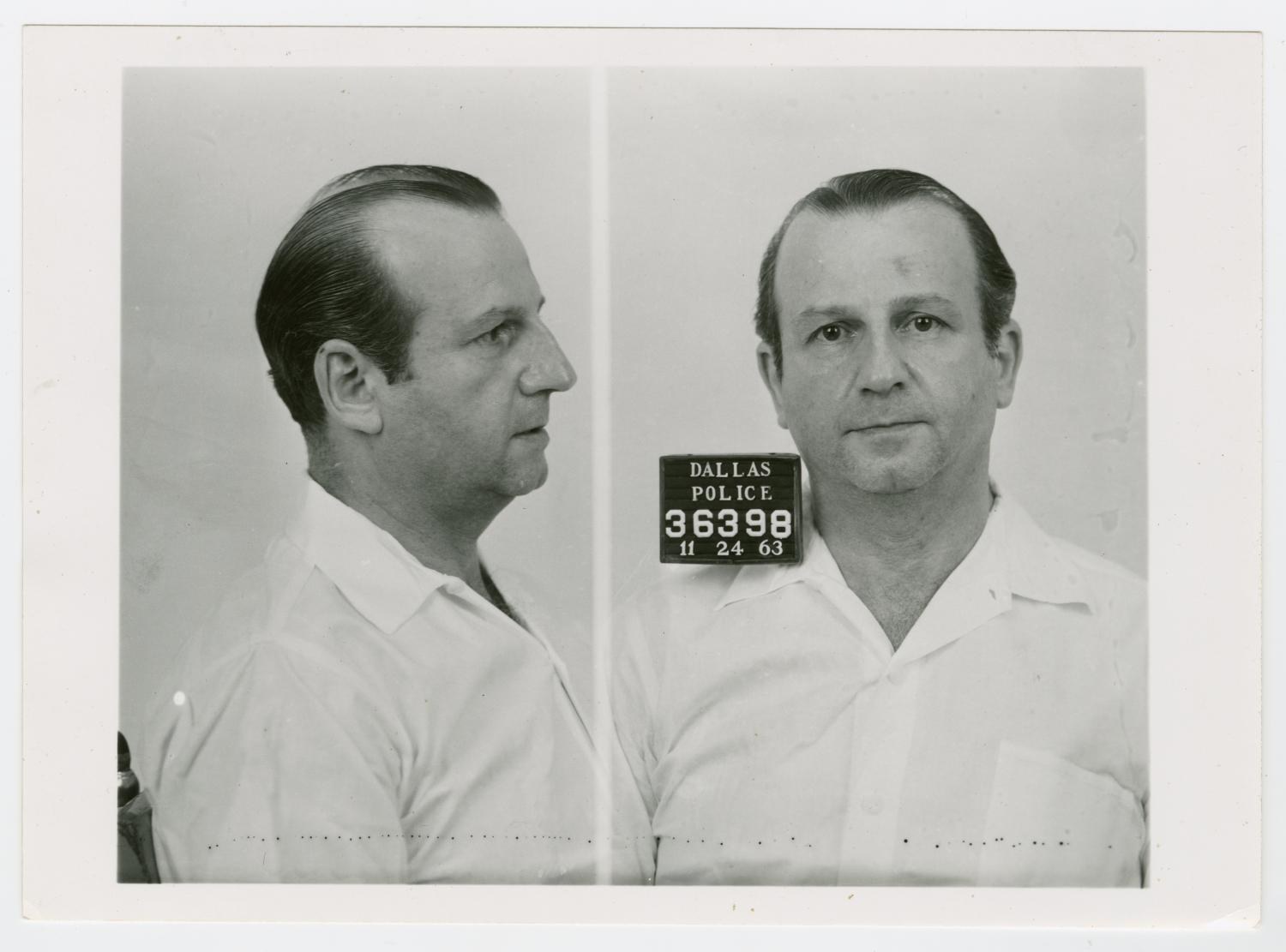
Reading Time: 5 minutes · In March 1964, Dallas nightclub owner Jack Ruby stood trial for shooting Lee Harvey Oswald on live television. The jury convicted him of murder with malice and sentenced him to death — a verdict later overturned on appeal.
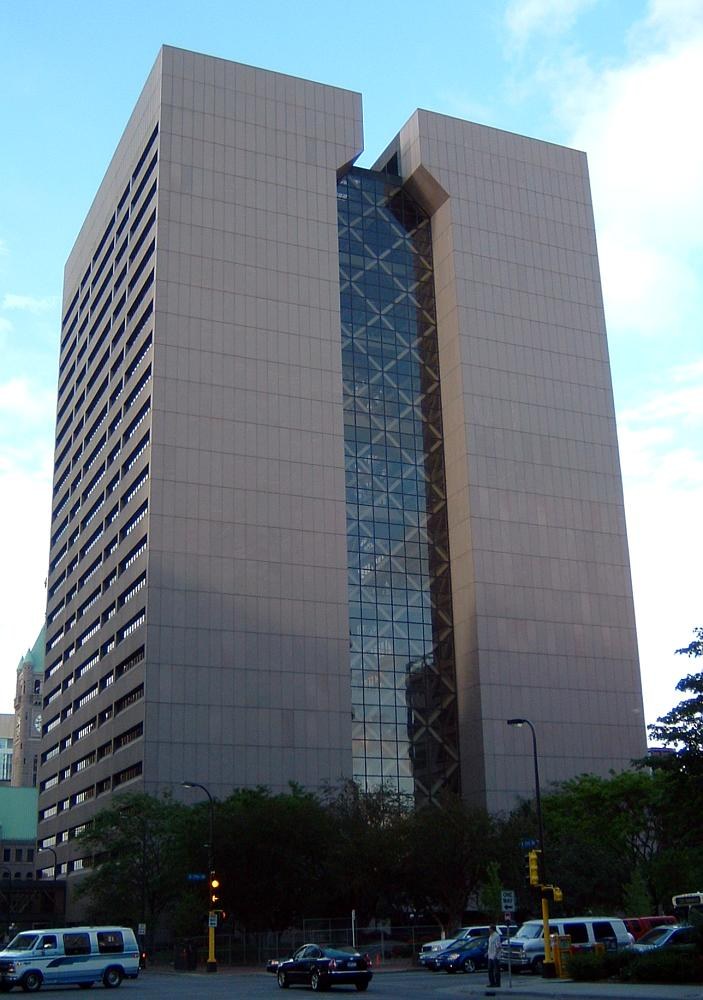
Reading Time: 4 minutes · On 20 April 2021 a Minneapolis jury convicted former police officer Derek Chauvin of murdering George Floyd, whose death the previous May had been filmed by a bystander and had set off protests around the world. Chauvin was sentenced to 22 and a half years in state prison, and later to 21 years in federal prison.
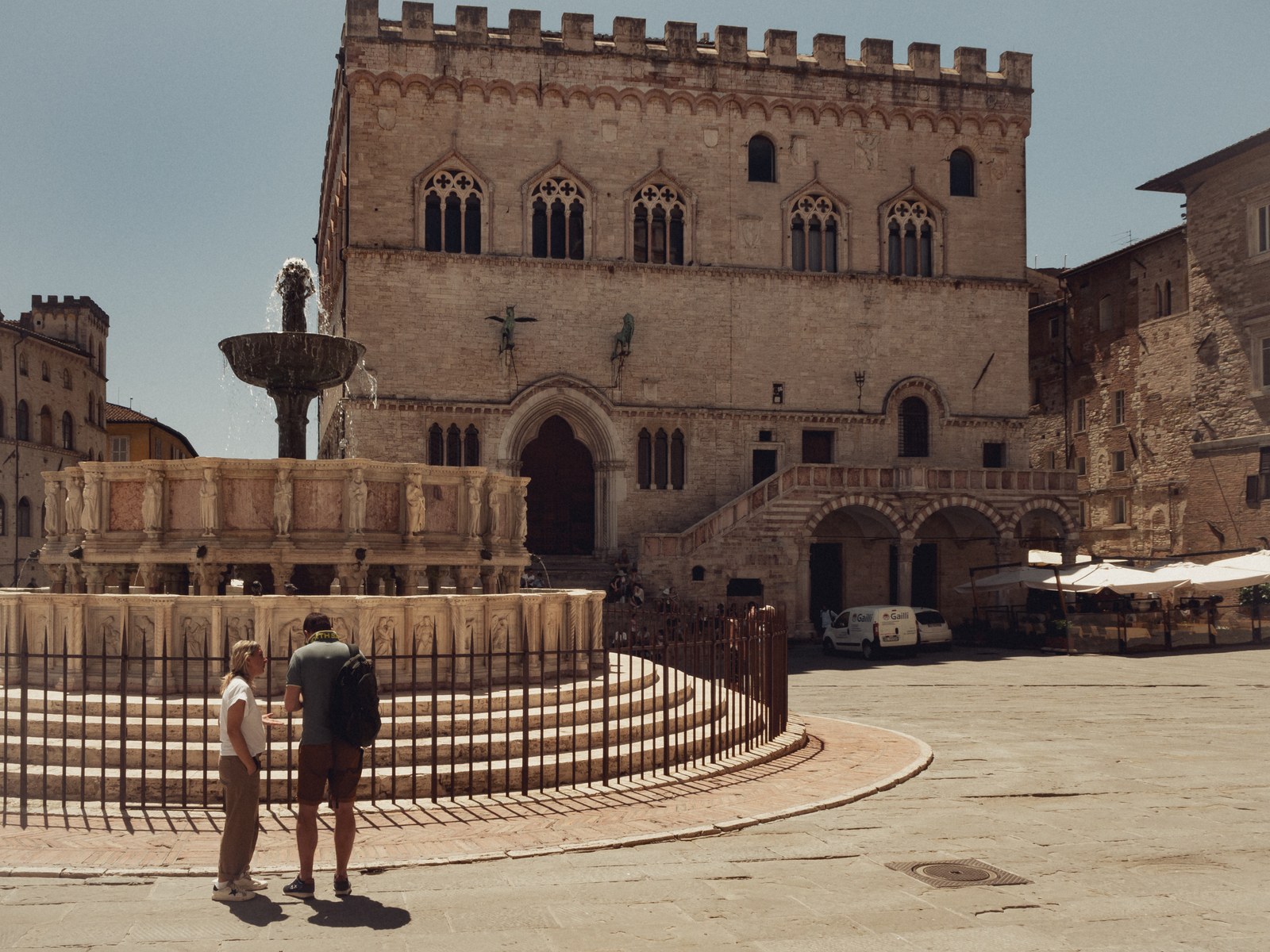
Reading Time: 4 minutes · Amanda Knox was convicted in 2009 of murdering her roommate Meredith Kercher in Perugia, acquitted on appeal in 2011, convicted again in 2014, and definitively acquitted by Italy’s highest court in March 2015. Her case became a study in how a trial can produce four different answers to the same question.
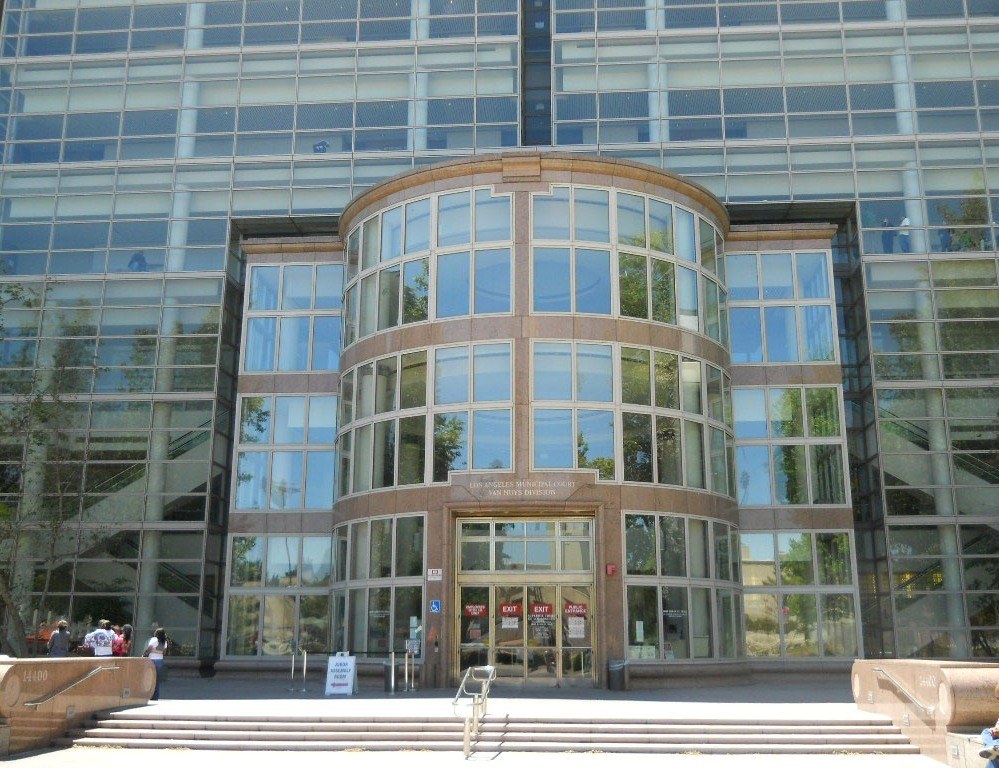
Reading Time: 4 minutes · Lyle and Erik Menendez were convicted in 1996 of murdering their parents in Beverly Hills and sentenced to life without parole. In May 2025 a Los Angeles judge resentenced them to 50 years to life, making them eligible for parole for the first time — and in August 2025 the parole board said no.
Reading Time: 4 minutes · On 30 March 1981 John Hinckley Jr. shot President Ronald Reagan outside a Washington hotel. His acquittal by reason of insanity in 1982 shocked the country, rewrote the insanity defence in federal law, and kept him under court supervision for more than 40 years — until his unconditional release in June 2022.
This archive collects every Trials of the Century case file on True Crime. Every case is told from published court transcripts, police files and FBI records, with sources listed on the page.