Court cases that gripped the public, explained from transcripts, verdicts and the evidence the jury actually heard.
A case belongs here when the trial itself became a public event — crowds outside the courthouse, headlines every morning, a verdict the whole country waited for. “Solved” in this section has a narrower meaning than elsewhere on the site: it means the court reached a verdict. A verdict settles the legal question, but it does not always settle the historical one. Evidence can be disputed, appeals can overturn a conviction, and a not-guilty verdict can leave the central question open for decades.
We explain each trial from the record: the charges, the evidence the jury heard, the verdict, and what happened afterwards. Where the evidence was contested — a disputed confession, a forensic method later discredited, a witness who changed their story — we say so, and we separate what was proved in court from what was merely argued.
Reading Time: 4minutes · On 19 April 1995 a truck bomb destroyed the Alfred P. Murrah Federal Building in Oklahoma City, killing 168 people. Two years later Timothy McVeigh was convicted on all 11 federal counts in Denver and sentenced to death — the first federal execution in the United States in nearly four decades.
Reading Time: 4minutes · Four young people were convicted in 1975 of the Guildford pub bombings and sentenced to life imprisonment. In 1989 the Court of Appeal quashed their convictions as unsafe and unsatisfactory, after fifteen years in prison.
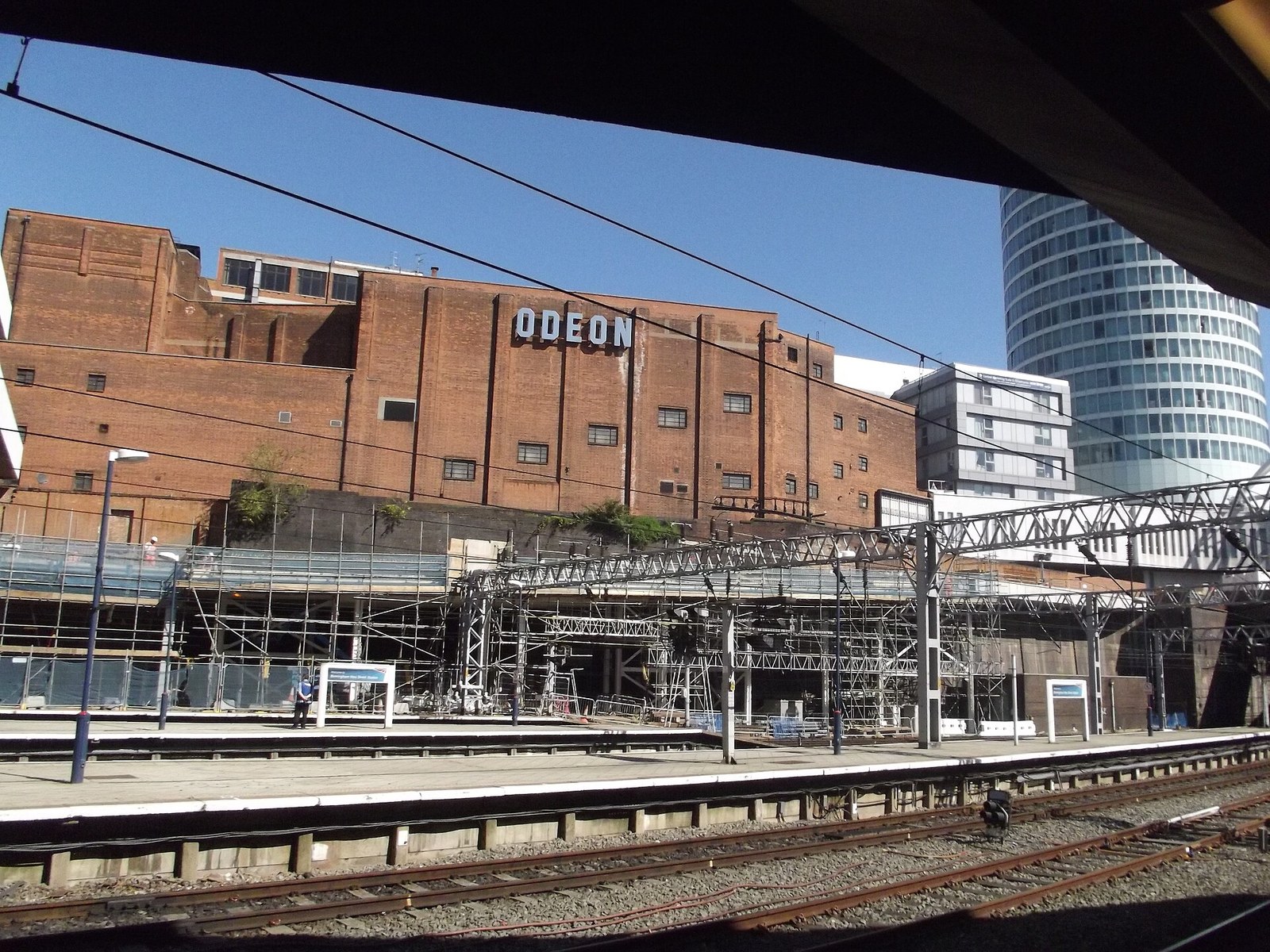
Reading Time: 4minutes · Six men from Northern Ireland were sentenced to life imprisonment in 1975 for the Birmingham pub bombings. In 1991 the Court of Appeal quashed their convictions as unsafe and unsatisfactory, after sixteen years in prison.
Reading Time: 4minutes · In 399 BC a jury of 501 Athenian citizens convicted Socrates of impiety and corrupting the young. He refused to escape, drank hemlock, and became the most famous victim of a democratic court in history.
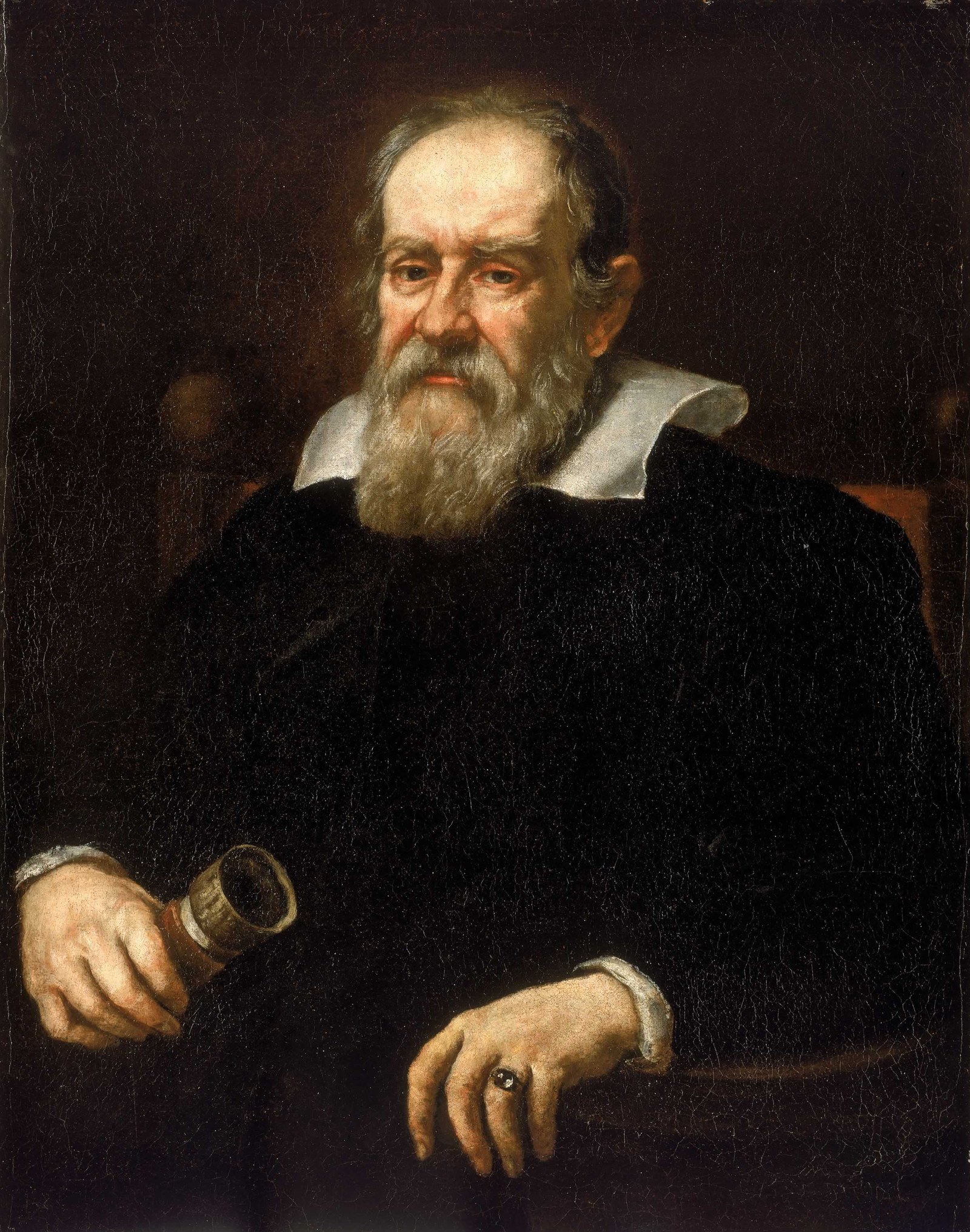
Reading Time: 4minutes · In June 1633 the Roman Inquisition found Galileo Galilei vehemently suspect of heresy for defending the view that the Earth moves around the Sun. He abjured, his book was banned, and he spent the rest of his life under house arrest.
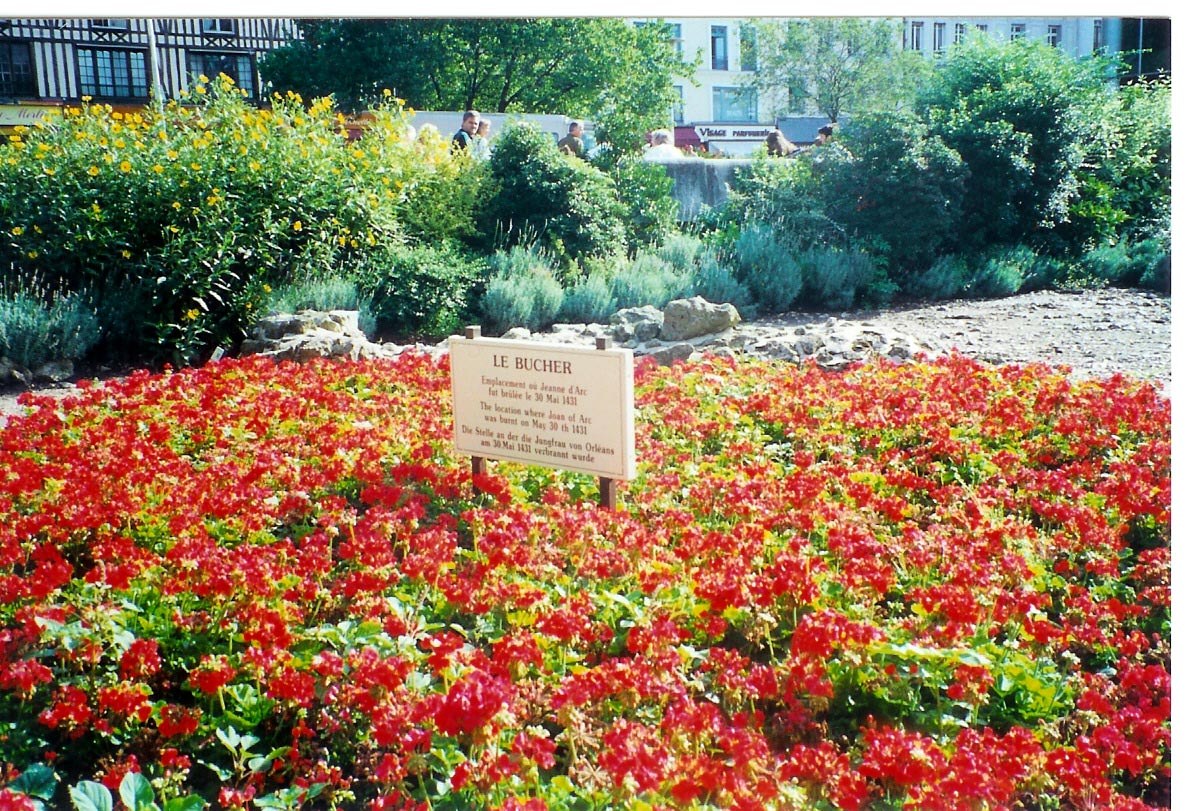
Reading Time: 4minutes · In 1431 an ecclesiastical court in English-held Rouen condemned Joan of Arc as a relapsed heretic and she was burned at the stake. Twenty-five years later, a second Church court declared that trial null, fraudulent and tainted by error.
Reading Time: 4minutes · In 1894, a Jewish army officer was convicted of treason on flimsy evidence and sent to a penal colony. The case that followed — the Dreyfus Affair — split France in two and exposed the antisemitism at the heart of its army.
Reading Time: 4minutes · In 1839, 53 kidnapped Africans seized the slave ship carrying them and ended up in an American courtroom. Their case reached the Supreme Court — and the former president who argued for them called it the most important case of his life.
Reading Time: 4minutes · In 1960, Israeli agents captured Adolf Eichmann, one of the chief organisers of the Holocaust, in Argentina. His trial in Jerusalem the following year was watched around the world — and changed how the Holocaust was understood.
Reading Time: 4minutes · In 1945, the victorious Allies put the surviving leaders of Nazi Germany on trial before an international court. It was the first time in history that leaders had been tried for waging aggressive war and for crimes against humanity.
About this archive
This archive collects every Trials of the Century case file on True Crime. Every case is told from published court transcripts, police files and FBI records, with sources listed on the page.