On 25 May 2020, George Floyd, a 46-year-old Black man, died during an arrest by Minneapolis police officers outside a shop on Chicago Avenue in Minneapolis, Minnesota. Floyd had been accused of using a counterfeit $20 note. During the arrest, Officer Derek Chauvin knelt on Floyd’s neck for more than nine minutes while Floyd was handcuffed and lying face down on the street. Floyd said he could not breathe, then became unresponsive. He was pronounced dead later that evening.
A 17-year-old bystander, Darnella Frazier, filmed the arrest on her phone. The video spread within hours, and within days protests had begun in Minneapolis and then in cities across the United States and around the world. Chauvin and the three other officers involved — Tou Thao, J. Alexander Kueng, and Thomas Lane — were fired the next day. Chauvin was arrested on 29 May and charged with murder.
The Trial
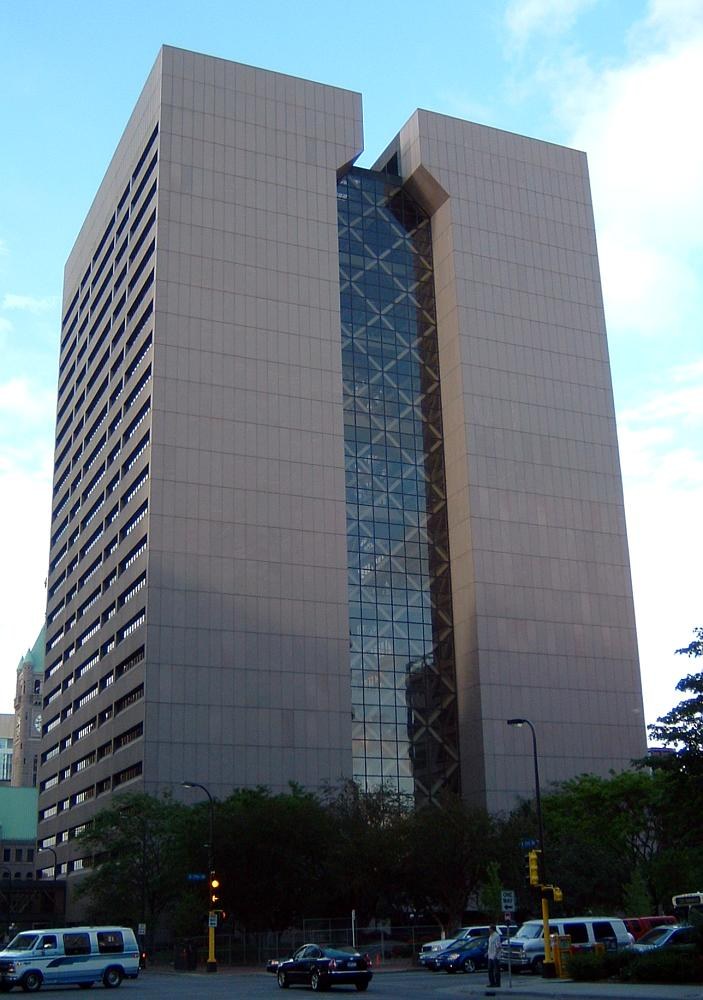
Chauvin’s trial began on 29 March 2021 at the Hennepin County Government Center in Minneapolis, before Judge Peter Cahill. It was one of the most closely watched trials in American history, broadcast live and followed around the world. The prosecution’s case rested on the video and on medical evidence. The Hennepin County medical examiner had found that Floyd died of cardiopulmonary arrest complicating law enforcement subdual, restraint, and neck compression. Prosecutors played the bystander video in full and called police training experts who testified that Chauvin’s restraint was not an approved technique and continued long after Floyd had stopped resisting.
The defence argued that Floyd’s death was caused by a combination of heart disease and drugs in his system, and that Chauvin had followed his training. The jury heard from 38 prosecution witnesses over three weeks, and from seven defence witnesses. On 20 April 2021, after about ten hours of deliberation, the jury found Chauvin guilty on all three counts: second-degree unintentional murder, third-degree murder, and second-degree manslaughter. On 25 June 2021, Judge Cahill sentenced him to 22 and a half years in prison, citing aggravating factors including the abuse of a position of trust and authority.
The Federal Case
Chauvin’s legal troubles did not end with the state verdict. In May 2021, a federal grand jury indicted Chauvin and the three other officers on charges of violating Floyd’s civil rights. On 15 December 2021, Chauvin pleaded guilty in federal court, admitting for the first time that he had kept his knee on Floyd’s neck even after Floyd became unresponsive, and that his actions had resulted in Floyd’s death. On 7 July 2022, he was sentenced to 21 years in federal prison, to run concurrently with his state sentence. He also pleaded guilty to a separate federal charge arising from a 2017 arrest in which he had restrained a 14-year-old boy.
The three other officers were convicted in federal court in February 2022 of violating Floyd’s civil rights. Lane later pleaded guilty to a state charge of aiding and abetting second-degree manslaughter, and Kueng and Thao were convicted at a state trial in 2023.
Appeals and Aftermath
Chauvin appealed his state conviction, arguing among other things that the trial should have been moved out of Minneapolis and that the jury had been affected by publicity. The Minnesota Court of Appeals upheld the conviction in April 2023, the Minnesota Supreme Court declined to hear the case, and in November 2023 the United States Supreme Court declined to review it. Chauvin was transferred to a federal prison in Arizona, and later to Texas, after being attacked by another prisoner in November 2023.
Floyd’s death became a turning point in the public debate about policing in the United States. The Minneapolis Police Department was investigated by the Minnesota Department of Human Rights, which found a pattern of race discrimination, and by the US Department of Justice, which found a pattern of excessive force. The city of Minneapolis paid $27 million to settle a civil claim by Floyd’s family. A square at the site of the arrest, now known as George Floyd Square, remains a place of remembrance.
What Is Documented — and What Is Not
Documented: George Floyd died on 25 May 2020 during an arrest in Minneapolis in which Derek Chauvin knelt on his neck for more than nine minutes; the arrest was filmed by bystander Darnella Frazier. Chauvin was tried in Hennepin County and found guilty on 20 April 2021 of second-degree unintentional murder, third-degree murder, and second-degree manslaughter, and sentenced on 25 June 2021 to 22.5 years in prison. He pleaded guilty in federal court on 15 December 2021 to violating Floyd’s civil rights and was sentenced on 7 July 2022 to 21 years in federal prison, concurrent with the state sentence. The three other officers were convicted in federal court in February 2022. Chauvin’s appeals were rejected, and the US Supreme Court declined to review the case in November 2023.
Not documented / unverified: The precise medical mechanism of Floyd’s death was a matter of dispute at trial — the medical examiner’s finding of cardiopulmonary arrest complicating restraint was accepted by the jury, but defence experts offered a different interpretation, and the disagreement is a matter of expert opinion rather than settled fact. Claims about the wider effects of the case on policing are matters of public debate, not court findings. This article reports the verdicts; it does not offer a view on the broader questions the case raised.