On 30 March 1981, less than three months into his presidency, Ronald Reagan left the Washington Hilton hotel after speaking to a labour union conference. As he walked to his car, John Hinckley Jr., a 25-year-old from Texas, fired six shots in about two seconds. Reagan was wounded. So were White House press secretary James Brady, Secret Service agent Timothy McCarthy, and Washington police officer Thomas Delahanty. Brady, struck in the head, was left permanently disabled. Hinckley was arrested at the scene.
The trial that followed in the summer of 1982 became one of the most consequential in American legal history — not because of the shooting itself, which was captured on camera and witnessed by dozens of people, but because of the verdict. Hinckley was found not guilty by reason of insanity, and the public reaction changed the law.
The Shooting and the Fixation
Hinckley had no connection to Reagan and no political motive in any ordinary sense. He had become fixated on the actress Jodie Foster after seeing the film Taxi Driver, in which a disturbed character plots to kill a presidential candidate. Investigators found that Hinckley had written letters to Foster, followed her to Yale University, and bought the handgun used in the attack in Dallas. He had also stalked President Jimmy Carter before the 1980 election. The prosecution argued that these preparations showed a man who knew what he was doing. The defence argued that they showed a man whose thinking was governed by delusion.
The Trial
The trial opened in federal court in Washington in April 1982. The central question was Hinckley’s mental state. Psychiatrists for the defence testified that he suffered from schizophrenia and narcissistic personality disorder and could not appreciate the wrongfulness of his actions. Psychiatrists for the prosecution testified that he was sane, though disturbed, and understood what he was doing.
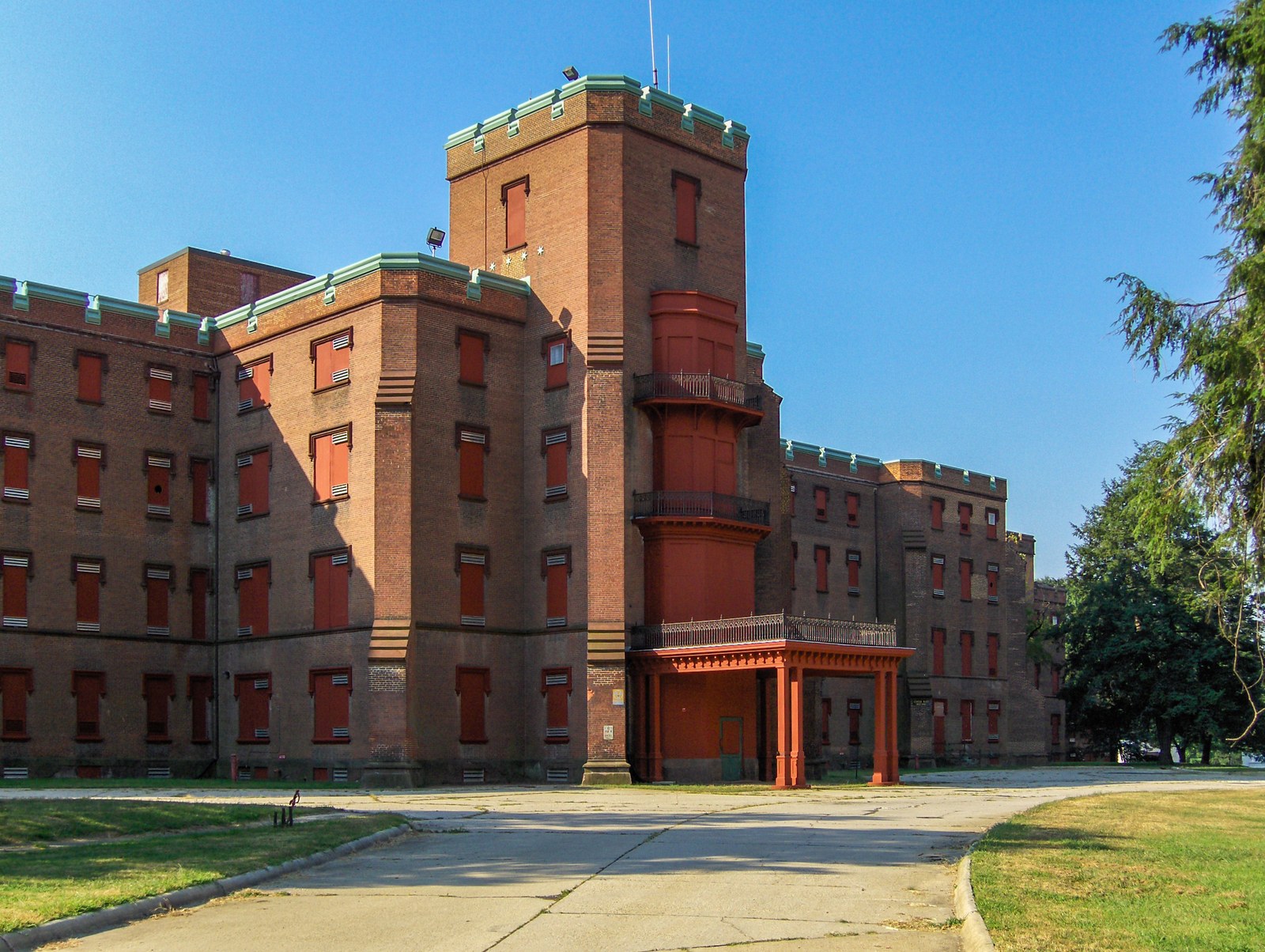
On 21 June 1982, the jury found Hinckley not guilty by reason of insanity on all 13 counts. Under the law as it then stood, the prosecution had to prove sanity beyond a reasonable doubt, and the jury was not convinced. Hinckley was committed to St. Elizabeths Hospital in Washington for psychiatric care, where he would remain for more than three decades.
The Law Changes
The verdict caused a public outcry. Polls showed that most Americans believed Hinckley should have been convicted, and Congress acted quickly. The Insanity Defense Reform Act of 1984 narrowed the federal insanity defence and shifted the burden of proof to the defendant, who must now prove insanity by clear and convincing evidence. Many states passed similar changes. The Hinckley verdict remains the best-known example of an insanity acquittal in American history, and the reform it produced still governs federal cases today.
Hinckley’s own confinement was eased gradually. From 2003 onwards, the court allowed him supervised visits outside the hospital, then longer stays with his mother in Williamsburg, Virginia. In 2016, US District Judge Paul Friedman ruled that he could be released to live with his mother under conditions, finding that his mental illness had been in remission for decades and that he was no longer a danger. His doctors agreed. In September 2021, Judge Friedman approved his unconditional release, and on 15 June 2022 — 41 years, two months and 15 days after the shooting — the last court restrictions were lifted.
Aftermath
Reagan recovered from his wound and served two terms as president. James Brady, who never fully recovered, became a leading campaigner for gun control with his wife Sarah; the Brady Handgun Violence Prevention Act, passed in 1993, bears his name. Brady died in 2014, and a medical examiner ruled that his death was a homicide caused by the 1981 wound, though no charges were brought. Timothy McCarthy, the Secret Service agent who stepped in front of Reagan, recovered and later became chief of the Secret Service’s Chicago office. Delahanty also recovered.
Hinckley, now living in Virginia, has spoken publicly about remorse for the shooting and has released music and writing online. In 2025 he published a memoir. His case is still cited in law schools and in debates about the insanity defence, and it remains a reminder of how a single verdict can reshape the law for decades.
What Is Documented — and What Is Not
Documented: John Hinckley Jr. shot President Ronald Reagan and three others outside the Washington Hilton on 30 March 1981. He was found not guilty by reason of insanity on 21 June 1982 on all 13 counts and committed to St. Elizabeths Hospital. The Insanity Defense Reform Act of 1984 narrowed the federal insanity defence and shifted the burden of proof to the defendant. Hinckley was released to live with his mother under conditions in 2016, and his restrictions were unconditionally lifted on 15 June 2022 by order of Judge Paul Friedman. James Brady was permanently disabled by the shooting, and his death in 2014 was ruled a homicide by the medical examiner, with no charges brought.
Not documented / unverified: Hinckley’s precise diagnosis has been described differently by different psychiatrists — schizophrenia, narcissistic personality disorder, and other formulations have all been used — and no single diagnosis is settled in the record. The claim that Hinckley acted to impress Jodie Foster is supported by his own letters and statements, but his inner motives cannot be independently verified. Reports of his current activities, including his music and memoir, come from his own public statements and should be treated as such.