The Murder of April Tinsley: A 1988 Cold Case Solved by Genetic Genealogy

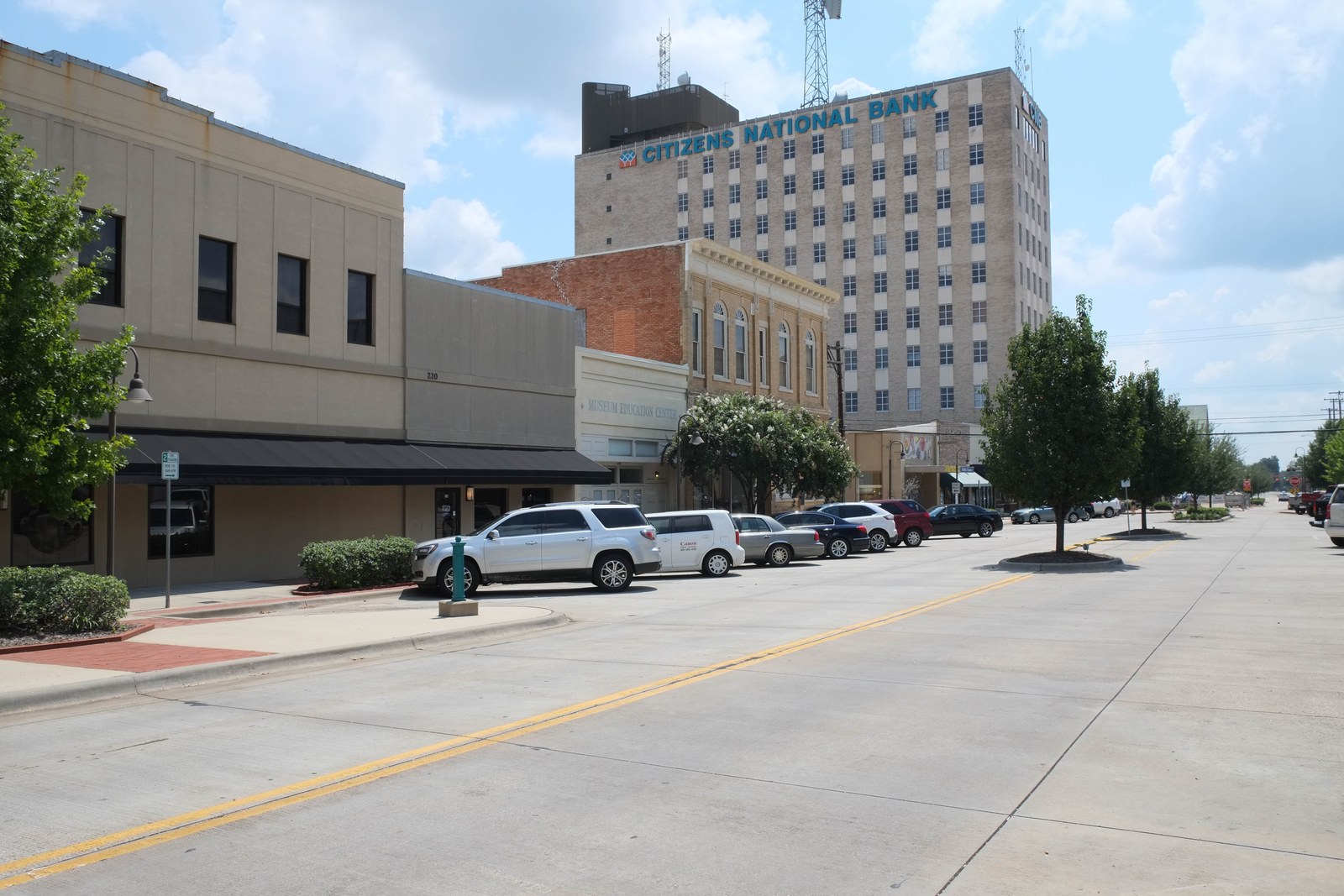
The downtown Fort Wayne, Indiana skyline seen from Promenade Park, across the river

Reading Time: 5 minutes · Eight-year-old April Tinsley was taken from a Fort Wayne street in April 1988. Her killer taunted police for years and left his DNA at the scene — but it matched no one. Thirty years later, a new science read that DNA like a family tree, and the case was closed in a single summer.

The Bear Brook Murders: Four Names Found After Forty Years

Beaver Pond in Bear Brook State Park, New Hampshire

Reading Time: 4 minutes · Four victims were found in two barrels near Bear Brook State Park in 1985 and 2000, and for decades nobody knew their names. Genetic genealogy finally identified them — and the man investigators believe killed them — between 2017 and 2025.

The Lady of the Dunes Finally Has a Name: Ruth Marie Terry

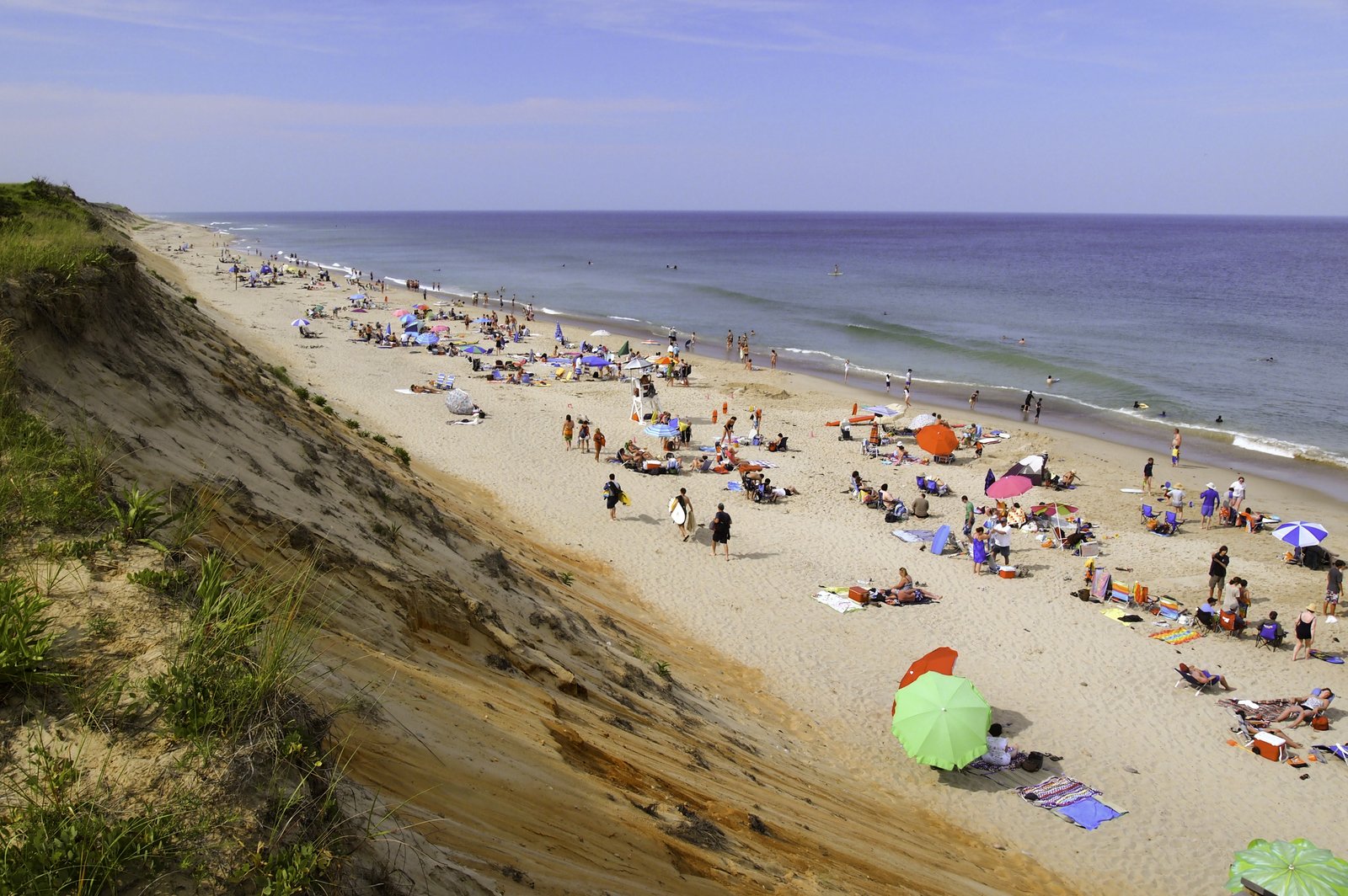
Sand dunes at a Cape Cod beach in Massachusetts, near where Ruth Marie Terry was found in 1974

Reading Time: 4 minutes · For 48 years she was known only as the Lady of the Dunes, the oldest unidentified homicide victim in Massachusetts. In October 2022, investigative genetic genealogy identified her as Ruth Marie Terry, 37, of Tennessee — and the following year investigators closed the case.

The Golden State Killer: How Genetic Genealogy Ended a Forty-Year Hunt

Close-up of laboratory test tubes with blue liquid on a blue surface

Reading Time: 4 minutes · For more than a decade, an offender committed a long series of violent crimes across California — and for almost all of that time, nobody knew who he was. It took a new science, investigative genetic genealogy, to name him: Joseph DeAngelo, a former police officer, pleaded guilty in 2020 to thirteen murders.