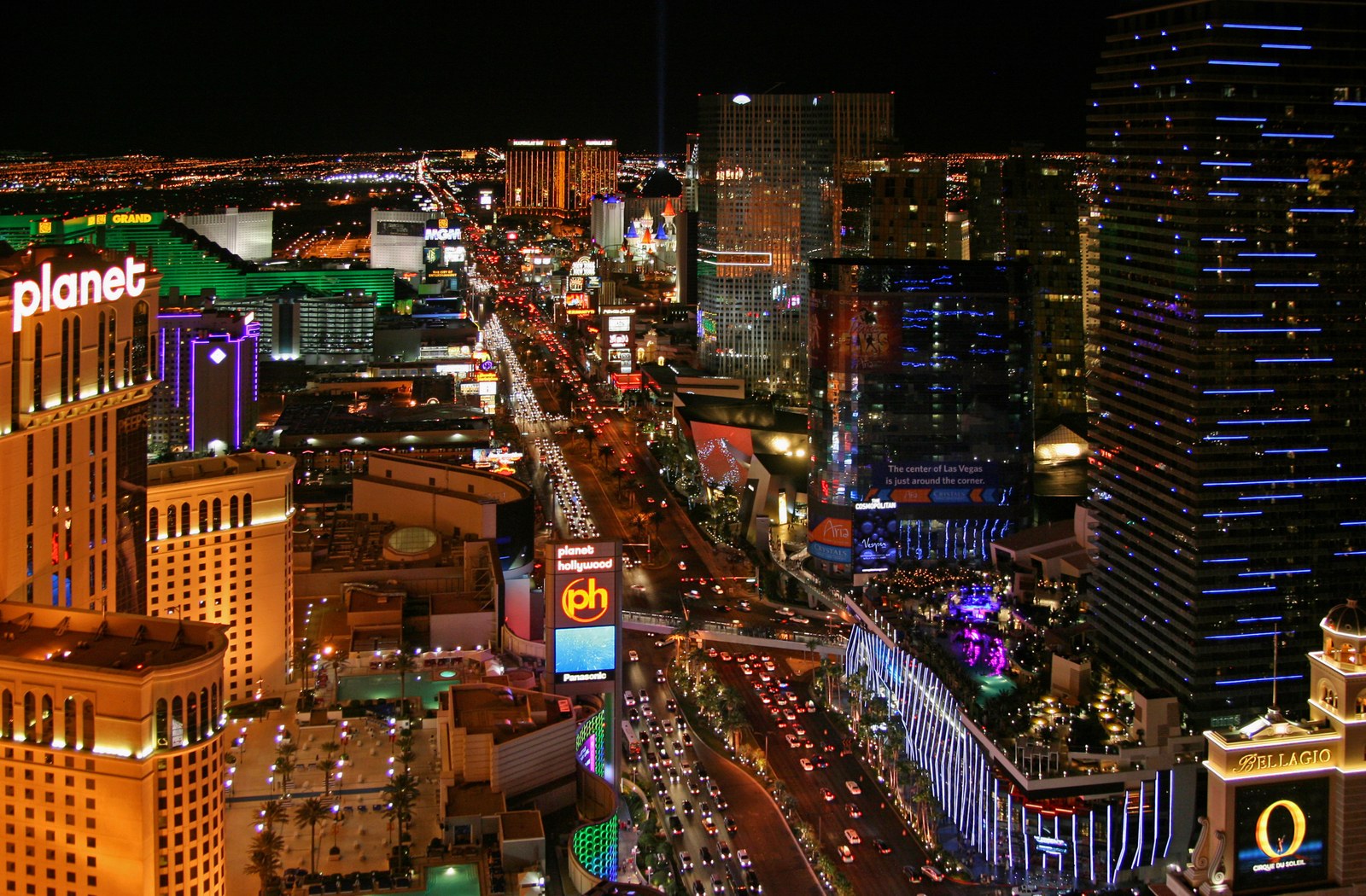
Tupac Amaru Shakur was 25 years old, one of the most successful and influential rappers in the world, when he was shot in Las Vegas on the night of 7 September 1996. He died six days later. For nearly three decades, his killing was one of America’s most famous unsolved murders: a shooting on a busy street, in front of witnesses, that produced no arrest. That changed only in the 2020s, when a man’s own public statements revived the investigation, led to an arrest in 2023, and ended in a murder conviction in 2026.
Who Tupac Shakur Was
Tupac Shakur was born on 16 June 1971 in East Harlem, New York City, and raised in a family deeply involved in the Black Panther movement; his mother, Afeni Shakur, was a prominent Panther activist. He moved to Baltimore and then to California as a teenager, studied acting and poetry, and began his music career with Digital Underground before launching a solo career.
By 1996 he was a major star. His albums sold in the millions, he had acted in films, and his lyrics — about poverty, violence, racism and survival — had made him a voice for a generation of young Americans. He was also a controversial figure, and his career was entangled with the bitter rivalry between the East Coast and West Coast rap scenes, centred on Death Row Records in Los Angeles and Bad Boy Records in New York.
The Night of 7 September 1996
Shakur had travelled to Las Vegas to attend the Mike Tyson–Bruce Seldon heavyweight fight at the MGM Grand, travelling with Marion “Suge” Knight, co-founder of Death Row Records. After the fight, inside the MGM Grand, members of Shakur’s entourage became involved in a physical altercation with Orlando Anderson, a man associated with a rival Los Angeles street gang.
Later that night, at about 11:15 p.m., Shakur was riding as a passenger in a car driven by Knight, stopped at a red light near the intersection of Flamingo Road and Koval Lane, not far from the Las Vegas Strip. A white Cadillac pulled up alongside the car, and shots were fired from it into Knight’s car. Shakur was struck several times. Knight was also injured but survived. Shakur was taken to the University Medical Center of Southern Nevada, where he remained in intensive care for six days. He died on 13 September 1996, aged 25, of respiratory failure and cardiac arrest resulting from his injuries.
Why the Case Went Cold
The investigation faced serious problems from the start. The shooting happened in a crowded, public place, yet many potential witnesses would not cooperate with police. Investigators and later reporting attributed this to gang loyalties, fear of retaliation, and distrust of the police. The murder weapon was never recovered, and the white Cadillac was never found.
Orlando Anderson was an early suspect. He denied involvement, was never charged in the case, and was killed in an unrelated gang shooting in 1998. Other people believed to have been in the Cadillac also died in the years that followed, and the investigation slowed to a standstill. For years, the case was widely described as one of America’s most notorious cold cases, and the absence of an arrest fed a large body of speculation, including conspiracy theories claiming that Shakur had faked his death. There is no credible evidence for that claim.
The Breakthrough: A Man’s Own Words
The case moved again because of Duane “Keffe D” Davis, a former Los Angeles gang leader and Anderson’s uncle. Davis was questioned by Los Angeles police detective Greg Kading in 2008–2009 during a separate investigation, and he described the people he said were in the Cadillac that night. Kading later wrote about the investigation in his 2011 book Murder Rap.
From 2018 onwards, Davis began speaking publicly about his involvement. In interviews and in his 2019 memoir, Compton Street Legend, he said he had been in the Cadillac from which the shots were fired. Police later said those public statements reinvigorated the investigation. In July 2023, Las Vegas police searched Davis’s home near Las Vegas. On 29 September 2023, 27 years after the shooting, Davis was arrested and indicted on one count of murder with a deadly weapon. He pleaded not guilty.
Prosecutors did not accuse Davis of firing the shots. Their case was that he had orchestrated the attack in retaliation for the beating of his nephew, and that he had obtained the gun and passed it to others in the Cadillac. Davis later said he had not written parts of the memoir and had not been present, claims the jury ultimately rejected.
The Trial and Conviction
Davis’s trial opened in Las Vegas in August 2026, before Judge Carli Kierny in Clark County District Court. Prosecutors argued that Davis was the “shot caller” who organised the killing after the casino altercation, while the defence argued that after 30 years the state had very little evidence. On 31 August 2026, after less than three hours of deliberation, the jury found Davis, then 63, guilty of first-degree murder with a deadly weapon. The verdict was reported on 1 September 2026. He was the first person convicted in connection with Shakur’s killing. On 13 October 2026, Davis was sentenced to 40 years to life in prison. He said he intended to appeal.
The conviction does not answer every question about the night. Prosecutors have not named the person who fired the shots, and Davis was not accused of being the gunman. The killing of the Notorious B.I.G. in Los Angeles six months later, on 9 March 1997, remains unsolved, and investigators have long speculated that it was connected to Shakur’s death — but that, too, is unproven.
What Is Documented — and What Is Not
Documented: Shakur was shot on 7 September 1996 near Flamingo Road and Koval Lane in Las Vegas and died on 13 September 1996, aged 25, at the University Medical Center of Southern Nevada. Orlando Anderson was an early suspect, was never charged, and died in 1998. Duane Davis was arrested on 29 September 2023, pleaded not guilty, and was convicted of first-degree murder with a deadly weapon on 31 August 2026; prosecutors said he orchestrated the attack and supplied the gun but did not accuse him of firing the shots. On 13 October 2026 he was sentenced to 40 years to life in prison. Davis said he intended to appeal.
Not established: The identity of the person who fired the shots has not been established in court. Claims that Shakur faked his death are conspiracy theories with no credible evidence. Any claim that another named individual ordered the killing — including allegations aired in documentaries and civil cases — has not resulted in a criminal charge and must not be presented as fact. The suggestion that the killing of the Notorious B.I.G. was retaliation for Shakur’s death is speculation, not a proven link. Davis’s appeal was pending at the time of publication.
Sources
- https://articles.thelocalreport.in/tupac-shakur-murder-a-shooting-bizarre-conspiracy-theories-and-a-case-that-remained-unsolved-for-decades/
- https://www.reuters.com/legal/government/tupac-shooting-trial-begins-with-opening-statements-2026-08-17/
- https://www.lemonde.fr/en/international/article/2026/08/10/thirty-years-after-tupac-shakur-s-murder-a-trial-seeks-to-resolve-a-never-closed-case_6756341_4.html
- https://encyclopedia.thefreedictionary.com/Tupac+Shakur
- https://commons.wikimedia.org/wiki/File:Las_Vegas_Strip_at_night,_2012.jpg