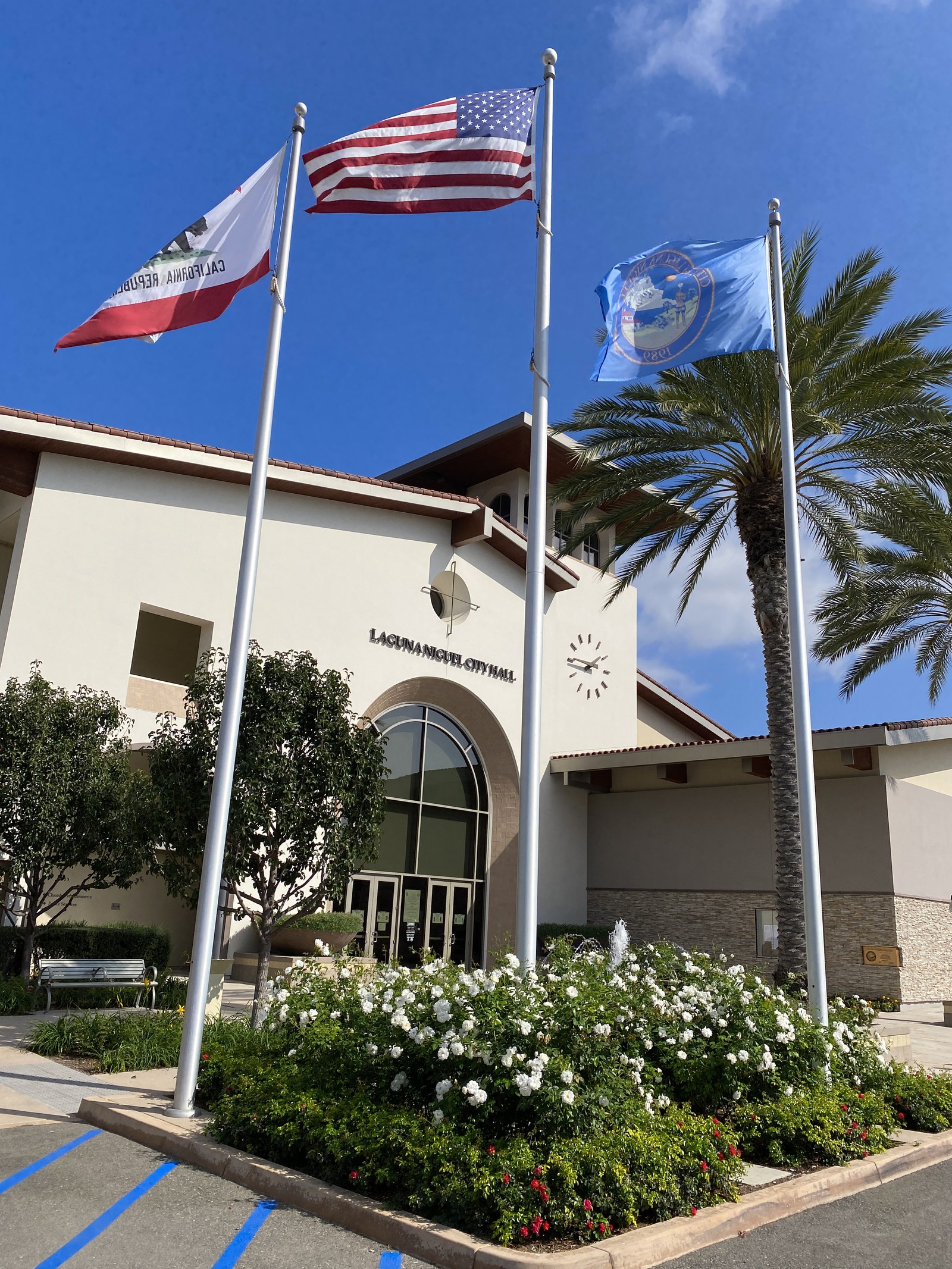
On the weekend of 24–27 March 1972, a crew of professional burglars from Ohio broke into the safe deposit vault of the United California Bank in Laguna Niguel, California, and emptied hundreds of safe deposit boxes. At the time it was described as the largest bank burglary in American history. The break-in itself left almost no trace. What caught the gang was not the crime — it was what they did afterwards.
The Crew from Youngstown
The burglary was led by Amil Dinsio, a career bank burglar from Youngstown, Ohio. He worked closely with his brother James Dinsio, an explosives expert who designed and built burglary tools. The rest of the crew were his nephews Harry and Ronald Barber, his brother-in-law Charles Mulligan, who acted as driver and lookout, alarm expert Phil Christopher, and Charles Broeckel. Christopher and Broeckel were from Cleveland.
Dinsio was the mastermind, but the job had a backer of sorts: according to later accounts, the person who tipped Dinsio off about the bank insisted that Christopher and Broeckel be included. Dinsio reportedly took Broeckel along reluctantly, as muscle only — a decision that would later matter, because Broeckel became a witness against his co-conspirators.
The gang’s plan avoided the vault door entirely. Instead, they would come in from above, through the roof of the bank building and the reinforced concrete roof of the vault itself.
Through the Roof
Over the weekend, the crew used dynamite to blast a hole in the vault’s reinforced concrete roof, cutting through the reinforcing bars. With the bank’s alarm systems apparently cut or bypassed — Christopher’s area of expertise — they worked inside the vault undisturbed. The burglary was not discovered until the following Monday morning.
Inside, they forced open safe deposit boxes and took cash, jewellery, stocks, bonds and gold coins, including some rare coins. The number of boxes opened is reported as 458 in some accounts and as more than 500 in the later court record. The total value taken was estimated at nearly $9 million, equivalent to about $69 million in 2025 terms. News reports at the time carried far higher figures, up to $30 million, but the $9 million estimate is the one most commonly cited in later histories, while the loss eventually established in court proceedings exceeded $2 million, much of it in gold coins.
Why this particular branch? That question has followed the case ever since. Dinsio later claimed that the bank had been chosen because of a rumour that President Richard Nixon kept secret campaign money there — contributions said to have come from the union leader Jimmy Hoffa — and that the job was meant to recoup that money. No such fund was ever found, and no evidence has ever established that it existed. What the gang did find was the contents of ordinary customers’ safe deposit boxes.
The Mistake After the Crime
The burglary itself, as investigators later acknowledged, was executed without leaving evidence that could lead to the perpetrators. The gang’s undoing came months later, when they committed a similar burglary in Ohio. The FBI linked the two crimes, and its investigation of transport records showed that five of the gang members had travelled to California on a single flight, using their own names. A sixth, James Dinsio, had arrived on a separate flight the day before the burglary.
The FBI also traced the townhouse in California that the gang had used as its base, rented by the Barber brothers. A search at first found nothing — until agents checked the dishwasher. The gang had loaded their dirty dishes into it and forgotten to run it before returning to Ohio. Fingerprints lifted from the plates belonged to Amil and James Dinsio, Harry and Ronnie Barber, Charles Mulligan, Charles Broeckel and Phil Christopher. Those fingerprints supported federal arrest warrants, leading to the arrest and conviction of all the burglars. Only some of the money was recovered.
Trial and Sentences
The case went through the federal courts in 1973 and 1974. The convictions of Mulligan, Christopher and Amil Dinsio were affirmed by the Ninth Circuit Court of Appeals in 1973; the convictions of Ronald Barber and James Dinsio for conspiracy and theft were affirmed in 1974. Amil Dinsio, Mulligan and Christopher were sentenced to 20 years each; James Dinsio and Ronnie Barber received 15 years.
There was also a witness-tampering episode. Earl Dawson, who assisted the police and testified against the gang, was offered money by his brother Harold Dawson to influence his testimony. Earl Dawson was placed in the witness protection programme, as was Charles Broeckel, who testified against his co-conspirators in exchange for immunity from prosecution.
Aftermath and Legacy
The United California Bank burglary has had a long afterlife in popular culture. The 2000 book Robbing Banks: An American History, 1831–1999 devotes a section to Dinsio’s crew. Rick Porrello’s 2006 book Superthief: A Master Burglar, the Mafia, and the Great California Bank Heist focuses on Phil Christopher’s alarm expertise and his role in the burglary. Dinsio himself self-published a memoir, Inside the Vault, in 2014 with the assistance of his daughter. Accounts of the burglary have appeared on truTV and Investigation Discovery, and the case inspired the 2019 feature film Finding Steve McQueen, which focuses on Harry Barber, and the 2021 documentary Superthief, about Christopher. NBC’s Super Heists featured the burglary in its 2021 premiere, “All the President’s Money”, with Dinsio recounting his version of the Nixon slush-fund story.
The case endures less as a mystery than as a cautionary tale about criminal tradecraft. The gang defeated a vault roof, an alarm system and a weekend of time pressure — and then lost everything to a dishwasher they forgot to run and a flight they booked under their own names.
What Is Documented — and What Is Not
Documented: The date and place of the burglary, the identities and roles of the seven crew members, the method of entry through the vault roof, the fingerprint evidence from the dishwasher, the flight records, the convictions and sentences, and the witness-tampering and witness-protection episodes are established in the court record (notably United States v. Mulligan, 488 F.2d 732, and United States v. Barber, 495 F.2d 327) and in the sources below.
Unverified / to treat with care: The claim that the bank held a secret Nixon campaign slush fund supplied by Jimmy Hoffa comes from Dinsio himself and has never been corroborated; no such money was found, and this article presents it only as Dinsio’s claim. The total value of the haul is genuinely uncertain: estimates range from the court-established figure of just over $2 million to the commonly cited $9 million and contemporary newspaper reports of up to $30 million, because the contents of safe deposit boxes were known only to their owners. The commonly repeated detail that the gang spent three nights in the vault is a simplification; sources differ on the exact span of the weekend break-in, and the burglary is dated in the record to 24–27 March 1972.