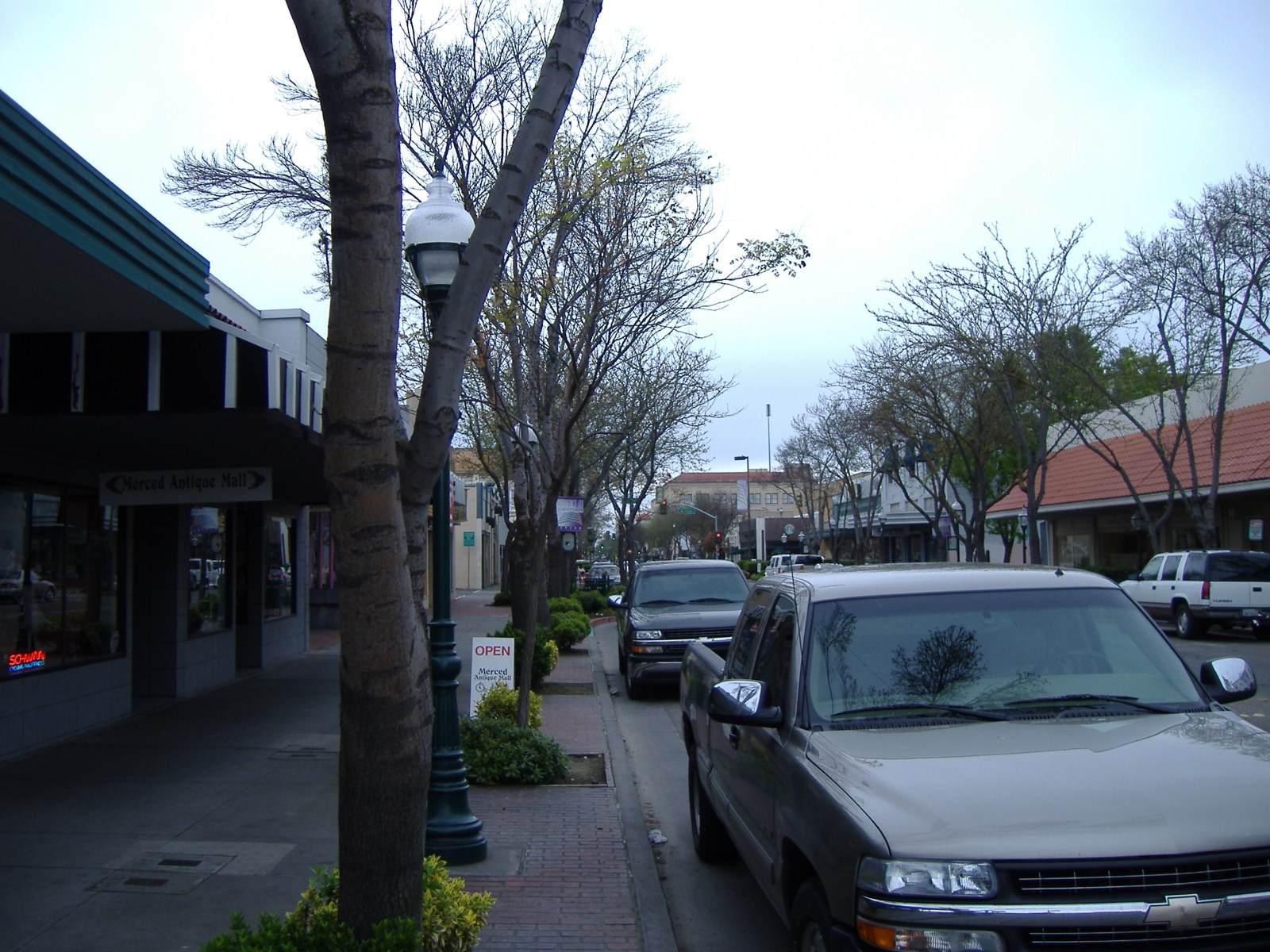
On the afternoon of 4 December 1972, seven-year-old Steven Gregory Stayner left school in Merced, California, and started walking home. He was the third of five children of Delbert and Kay Stayner, a second-grader in a family that had lived in Merced, near Yosemite National Park, for years. He never arrived home that day. For more than seven years, his family did not know where he was, or whether he was alive.
Steven was alive. He had been taken by Kenneth Parnell, a man who worked at a resort in Yosemite National Park and who had enlisted an acquaintance, Ervin Edward Murphy, to help him. Murphy approached Steven on his way home from school, posing as a church representative seeking donations, and persuaded the trusting boy to get into a car where Parnell was waiting. Parnell drove him to a cabin in Catheys Valley, a short distance from Merced — so close, in fact, that the cabin stood only a few hundred feet from the home of Steven’s maternal grandfather, though Steven did not know it.
What followed is a matter of public record, and it is a hard record to read. Parnell subjected Steven to sustained sexual abuse throughout the years of his captivity, and told the boy that his parents no longer wanted him and that Parnell had been granted legal custody of him. The details of the abuse will not be set out here. What matters for this account is what Steven did with the years that were taken from him, and how the story ended — because the ending is the reason his name is still remembered.
A false life
Parnell gave Steven a new name — Dennis Gregory Parnell — keeping the boy’s real middle name and birth date, and passed himself off as Steven’s father. Over the next seven years, the two moved frequently around northern California, living in places including Santa Rosa and Comptche. Steven was enrolled in schools under his false name. He was allowed to come and go, to drink, and to do much as he pleased — a freedom that, as he later reflected, could have been an opportunity to flee, if he had known how to summon help.
He was given a dog, a Manchester Terrier he named Queenie. As Steven grew older and entered puberty, Parnell began looking for a younger child to take.
Timothy White
On 14 February 1980, Parnell and Randall Sean Poorman, a teenage friend of Steven’s, kidnapped five-year-old Timothy White in Ukiah, California. White had been walking home from school, as Steven had been seven years earlier.
Steven, now fourteen, was moved by the small boy’s distress. He decided that he would not let Timothy endure what he had endured — and that he would use the chance to get them both out. On the night of 1 March 1980, while Parnell was away at his job as a night-shift security guard, Steven left the house with Timothy and hitchhiked towards Ukiah. Unable to find White’s home in the dark, they went to a police station instead. By daybreak on 2 March, Parnell had been arrested on suspicion of abducting both boys, and both children were reunited with their families that day.
At the police station, Steven gave a written statement. Its opening lines gave a television miniseries its title years later: “My name is Steven Stainer [sic]. I am fourteen years of age. I don’t know my true birthdate, but I use April 18, 1965. I know my first name is Steven, I’m pretty sure my last is Stainer [sic], and if I have a middle name, I don’t know it.” A boy who had lived for seven years under a false name was, in his first hours of freedom, trying to remember who he was.
Aftermath
Parnell was tried in 1981 and convicted of kidnapping White and Stayner in two separate trials. He was sentenced to seven years in prison and paroled after serving five. He was not charged with the sexual assaults on Steven, because most had occurred outside the jurisdiction of the Merced County prosecutor, or were by then outside the statute of limitations. Murphy and Poorman were convicted of lesser charges for their parts in the kidnappings.
Steven’s return home was joyful, and it was difficult. He had left as a seven-year-old and come back almost a grown man. He had trouble adjusting to a structured household after years of being allowed to do as he pleased. He was bullied at school, dropped out, and began to drink. He received brief counselling, but never sought further treatment.
He built a life nonetheless. In 1985, he married Jody Edmondson, and they had two children, a daughter, Ashley, and a son, Steven Jr. He worked with child abduction groups, spoke to children about personal safety, and gave interviews about his experience.
On 16 September 1989, Steven was killed on his way home from work when a car turned in front of his motorcycle in a hit-and-run accident. He was 24 years old.
Parnell was convicted again in 2004 of attempting to procure a child. He died in prison on 21 January 2008. On 28 August 2010, a statue of Steven and Timothy was dedicated in Applegate Park in Merced, honouring Steven and offering hope to the families of missing and kidnapped children.
Steven Stayner’s story is often told as a story of what was done to him. It is better remembered as a story of what he did. At fourteen, with no help and no plan beyond getting a frightened five-year-old to safety, he walked out of seven years of captivity and brought another child home with him.
What is documented — and what is not
Documented: Steven Gregory Stayner, born 18 April 1965 in Merced, California, was abducted on 4 December 1972 at the age of seven by Kenneth Parnell, with the help of Ervin Edward Murphy. He was held for more than seven years under the name Dennis Gregory Parnell. On 14 February 1980, five-year-old Timothy White was kidnapped in Ukiah; on 1 March 1980, Steven escaped with Timothy and reached police in Ukiah, and Parnell was arrested on 2 March 1980. Parnell was convicted of kidnapping in 1981, sentenced to seven years, and paroled after five. Steven married Jody Edmondson in 1985 and had two children. He died on 16 September 1989, aged 24, in a hit-and-run motorcycle accident. Parnell was convicted in 2004 of attempting to procure a child and died in prison on 21 January 2008.
Unverified or unproven: The precise details of Steven’s daily life in captivity, beyond what he and the court record describe — accounts differ on distances travelled during the escape and on some dates, and this article uses the figures most consistently reported (the escape journey is described in sources as roughly 24 to 50 miles by different accounts; the route taken is not stated as a precise figure here). Claims about what Parnell intended for the future, or about the inner motives of Murphy, Poorman, and Mathias — reported in later accounts, but not established by the court record.