Cases that were finally closed, sometimes after decades, when new evidence, DNA or a confession settled the record.
A case belongs here when the open question finally got an answer: a conviction, a confession, a DNA match, a missing person found alive, or remains identified and returned to a family. “Solved” means the case was closed on the evidence — not that every question was answered, and not that the outcome was just. Some answers came quickly; most took years, and some took decades, waiting on a test that did not exist when the crime happened or on a witness who was finally ready to speak.
We tell these cases the same way we tell the unsolved ones: from the record, with the breakthrough explained and the evidence that made it possible. A solved case is not a happier story — it is a finished one, and the ending belongs first to the victims and their families.
Reading Time: 3minutes · In 1973, a 6-foot-9-inch man walked into a police station in Colorado and confessed to eight murders. Ed Kemper had killed his grandparents as a teenager — and the system that released him never saw what was coming.
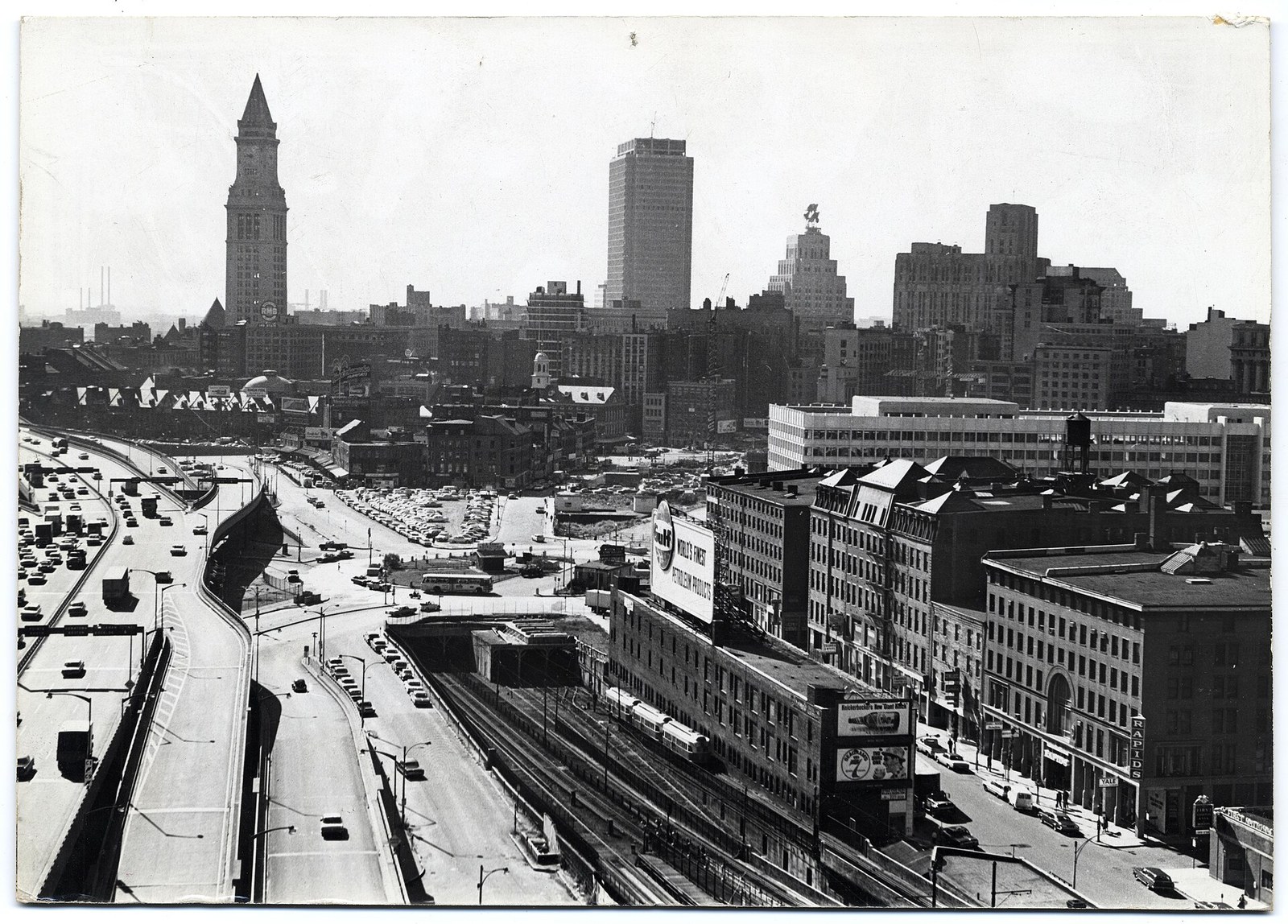
Reading Time: 4minutes · Between 1962 and 1964, thirteen women were murdered in Boston. A man named Albert DeSalvo confessed — but he was never tried for the murders, and for fifty years people argued over whether he had done it at all.
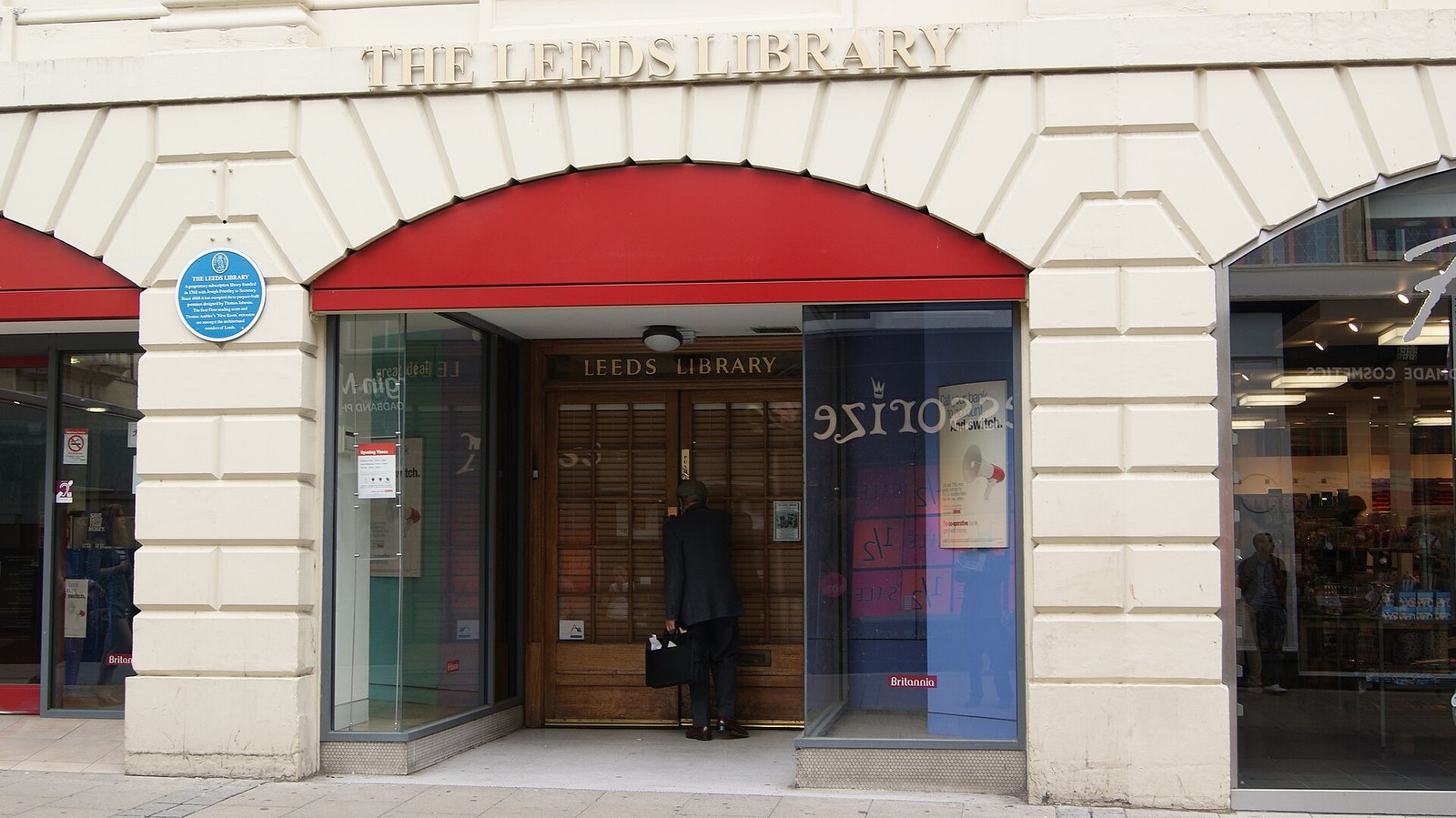
Reading Time: 4minutes · Between 1975 and 1980, thirteen women were murdered in West Yorkshire. The killer was a lorry driver from Bradford — and the police were misled for years by a hoaxer who claimed to be him.
Reading Time: 3minutes · Between October 1977 and February 1978, ten young women were found dead on the hillsides around Los Angeles. The killers were two cousins — and it took a murder in Washington State to catch them.
Reading Time: 4minutes · Between 1989 and 1990, Aileen Wuornos killed seven men in Florida. She said she acted in self-defence. The jury disagreed — and she was executed in 2002, the first woman to be executed in Florida in more than fifty years.
Reading Time: 4minutes · Ed Gein was a shy, reclusive farmer in Plainfield, Wisconsin, who kept to himself. When police searched his farmhouse in 1957, they found evidence of two murders — and of grave robbing that shocked the country.
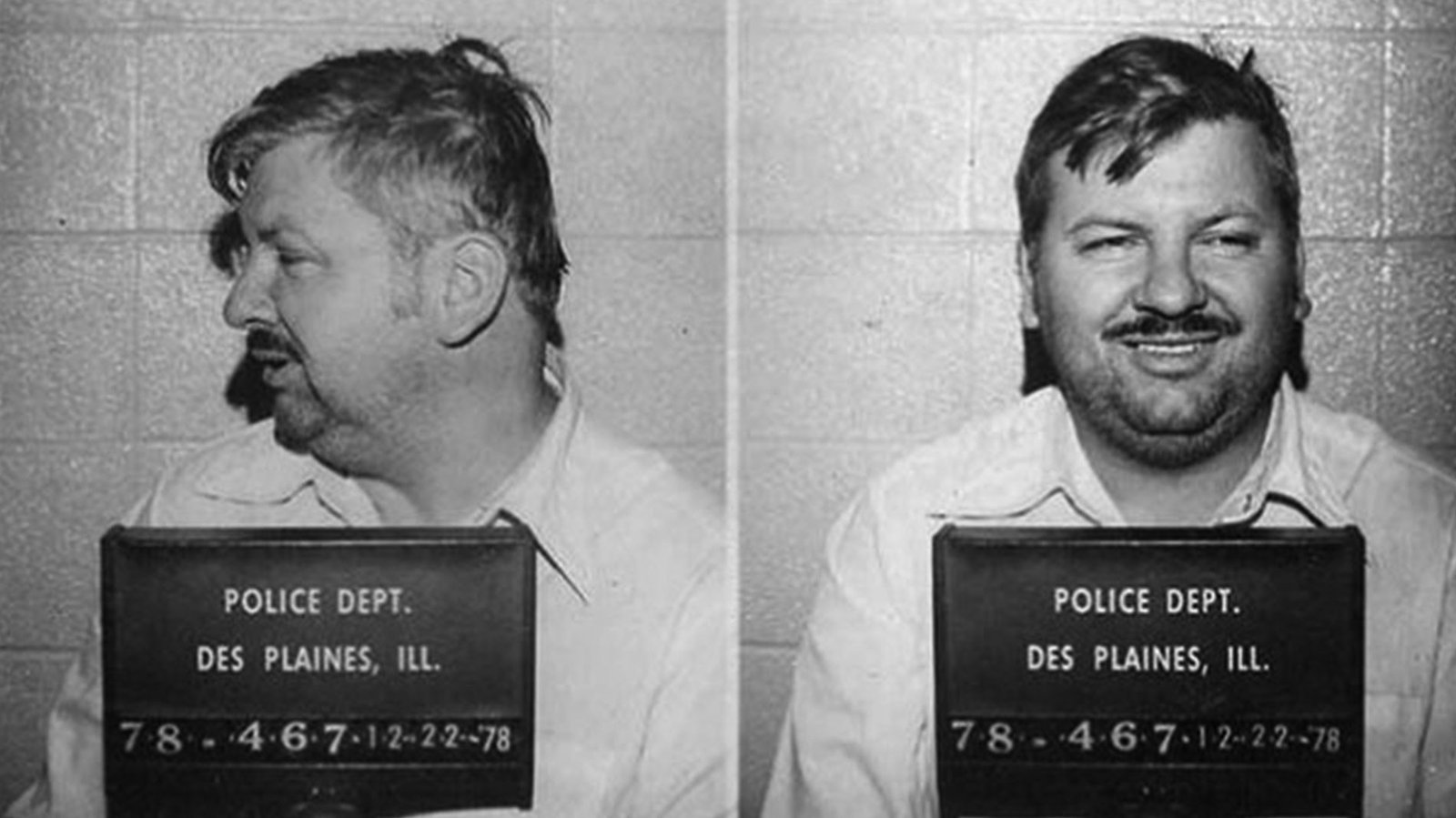
Reading Time: 4minutes · John Wayne Gacy was a respected building contractor and a volunteer clown at children’s parties in suburban Chicago. Between 1972 and 1978 he murdered thirty-three young men and boys — most of them buried beneath his house.
Reading Time: 4minutes · In 1976 and 1977, a gunman stalked couples in parked cars across New York City, and his taunting letters to the press terrified the city. David Berkowitz was caught because of a parking ticket.
Reading Time: 4minutes · In the summer of 1985, Los Angeles lived in fear of a man who broke into homes at night. Richard Ramirez was convicted of thirteen murders — and caught, in the end, by the people of East Los Angeles.
Reading Time: 4minutes · Ted Bundy was a law student, a political volunteer and a trusted colleague — and, between 1974 and 1978, one of America’s most prolific killers. He confessed to thirty murders. It was his escapes from custody that finally ended him.
About this archive
This archive collects every Solved at Last case file on True Crime. Every case is told from published court transcripts, police files and FBI records, with sources listed on the page.