Cases that were finally closed, sometimes after decades, when new evidence, DNA or a confession settled the record.
A case belongs here when the open question finally got an answer: a conviction, a confession, a DNA match, a missing person found alive, or remains identified and returned to a family. “Solved” means the case was closed on the evidence — not that every question was answered, and not that the outcome was just. Some answers came quickly; most took years, and some took decades, waiting on a test that did not exist when the crime happened or on a witness who was finally ready to speak.
We tell these cases the same way we tell the unsolved ones: from the record, with the breakthrough explained and the evidence that made it possible. A solved case is not a happier story — it is a finished one, and the ending belongs first to the victims and their families.
Reading Time: 4minutes · Rachel Nickell was stabbed to death on Wimbledon Common in 1992, in front of her two-year-old son. Police accused an innocent man, Colin Stagg, who was acquitted — while the real killer, Robert Napper, went on to murder a mother and her four-year-old daughter. DNA finally linked him to Nickell in 2004, and he was convicted in 2008.
Reading Time: 4minutes · In six weeks in late 2006, five women disappeared from the streets of Ipswich and were found dead in the countryside around the town. DNA and fibres led police to Steve Wright, a forklift driver and former pub landlord. Convicted in 2008, he was given a whole-life order — and in 2026 he admitted a sixth murder, from 1999.
Reading Time: 4minutes · Levi Bellfield attacked young women as they walked home from bus stops in south-west London, killing three of them between 2002 and 2004. It took two trials, six years apart, to convict him of all three murders — and he became the first prisoner in Britain to receive two whole-life orders.
Reading Time: 4minutes · For nine years, delivery driver Robert Black used his van and his routes across Britain to abduct and murder four young girls. He was caught in 1990 with a six-year-old girl in his van, convicted of three murders in 1994 and a fourth in 2011, and died in prison in 2016.
Reading Time: 4minutes · For nearly twenty years, 25 Cromwell Street in Gloucester looked like an ordinary family home. Inside it, Fred and Rose West murdered at least twelve young women and girls, including two of their own children. The truth came out in 1994 — and Rose West was convicted of ten murders the following year.
Reading Time: 4minutes · Between 1978 and 1983 Dennis Nilsen killed at least twelve young men in two north London flats, hiding the bodies until a blocked drain gave him away. Convicted of six murders at the Old Bailey, he died in prison in 2018 — but several of his victims have never been named.
Reading Time: 4minutes · In 1994 Gary Ray Bowles killed six men along the Interstate 95 corridor, each one a man who had offered him shelter or work. He was caught within days of joining the FBI’s Ten Most Wanted list, confessed to all six murders, and was executed in Florida in 2019.
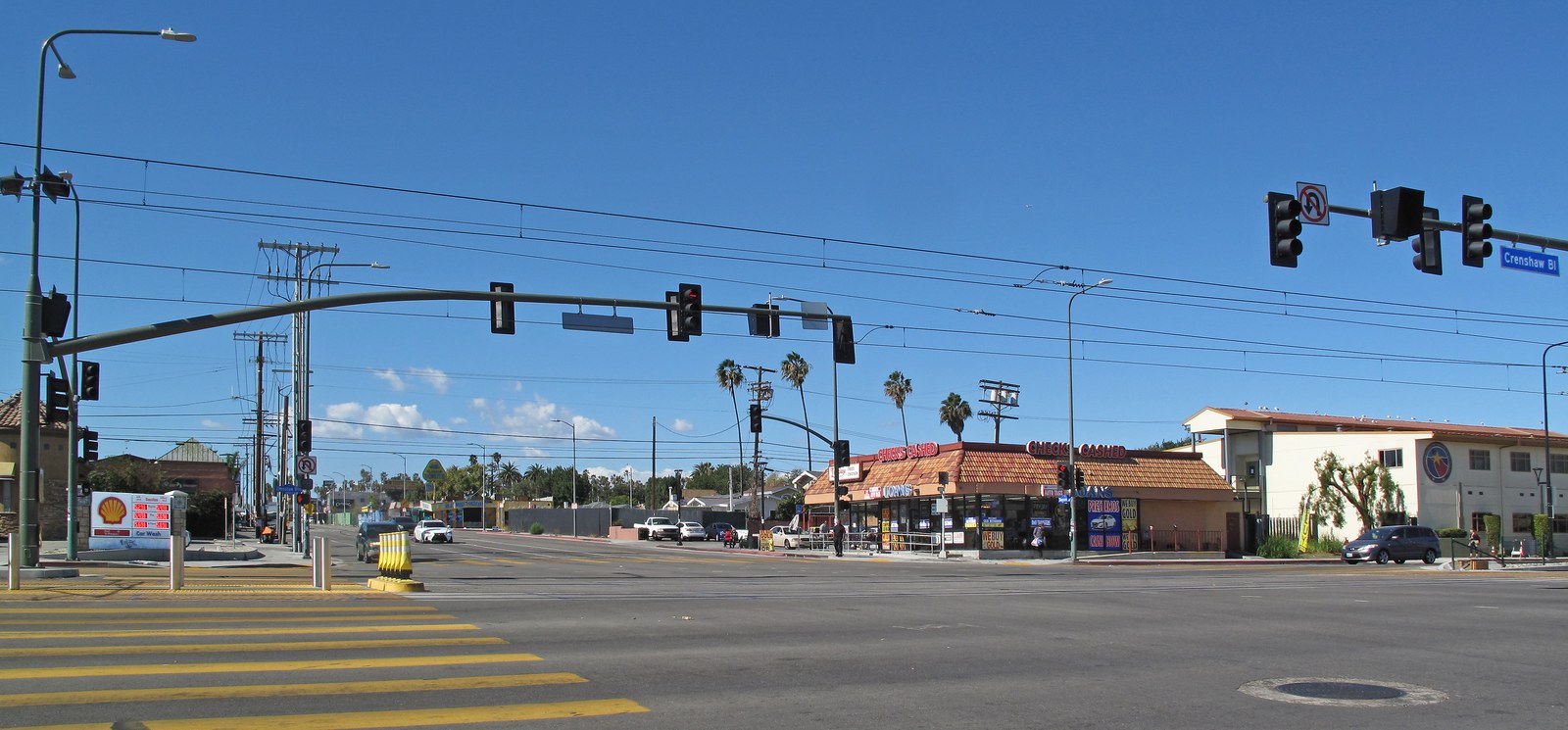
Reading Time: 5minutes · For more than twenty years, Lonnie Franklin Jr. killed at least ten people in South Los Angeles while living an ordinary life beside his victims. He was only caught when investigators ran the first familial DNA search ever to solve a case in the United States — a search that found not the killer, but his son.
Reading Time: 5minutes · Keith Jesperson killed eight women while driving a truck across America — and he was only caught because he could not bear to let two innocent people take the credit for his first murder. His letters to a newspaper, signed with a smiley face, gave him his nickname, but the case should be remembered for the wrongful convictions it caused, not the name.
Reading Time: 5minutes · For much of the 1990s, a man the FBI would come to call the Railroad Killer moved across the United States almost invisibly, riding freight trains and leaving no car, no tickets and no hotel records. When he was finally caught, it was not a single detective who stopped him but a combination of fingerprint evidence, a federal task force, a television programme — and his own sister.
About this archive
This archive collects every Solved at Last case file on True Crime. Every case is told from published court transcripts, police files and FBI records, with sources listed on the page.