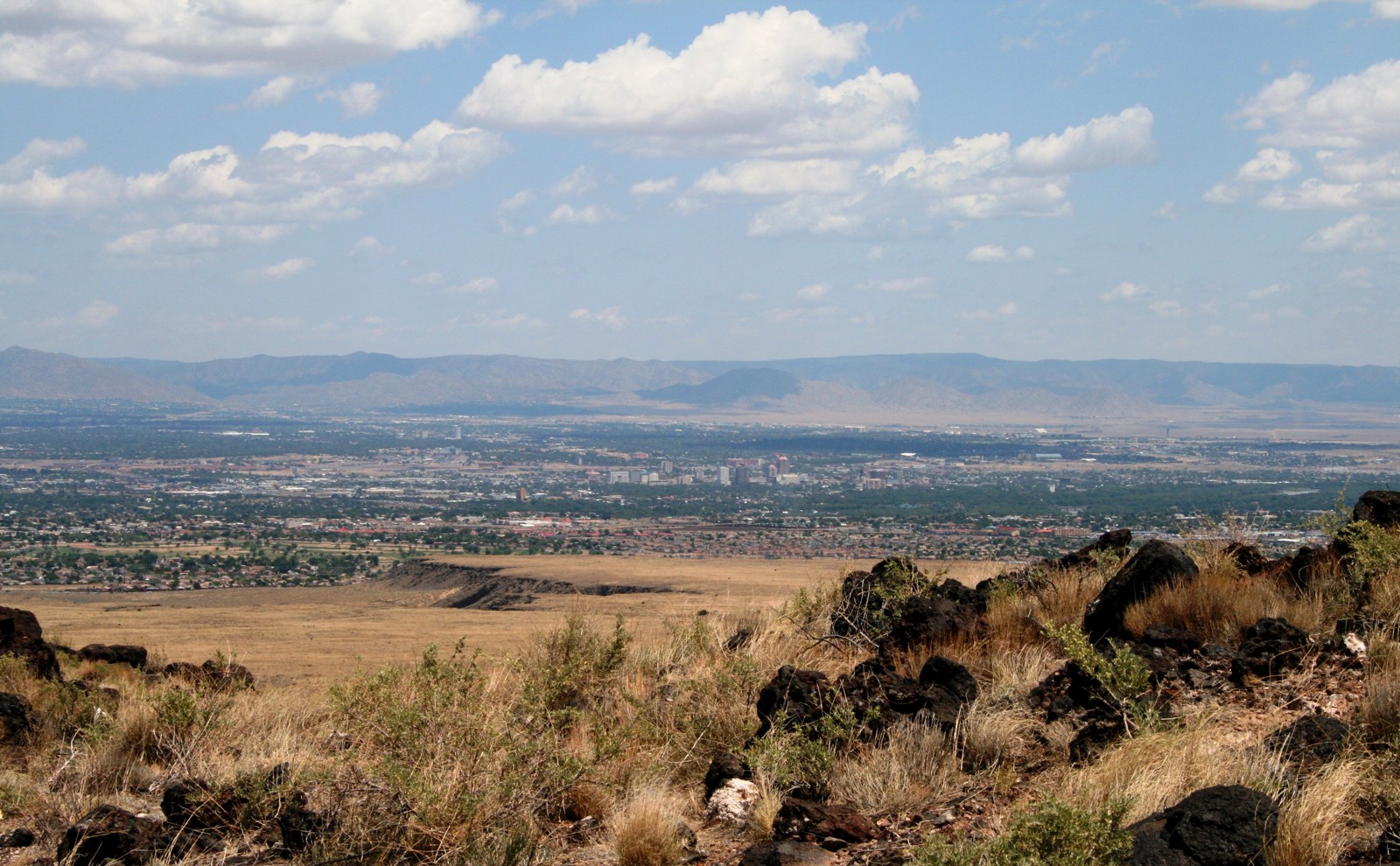
On 2 February 2009, a woman walking her dog on the West Mesa, the high desert on the western edge of Albuquerque, New Mexico, noticed a human bone protruding from the ground. She reported it to the police. What followed became the largest homicide investigation in the history of the Albuquerque Police Department — and one of the most painful unsolved cases in the American Southwest.
Over the following months, investigators excavated a stretch of undeveloped desert that had been platted for housing. They recovered the remains of eleven women and girls, buried in shallow graves across the site. One of the victims was pregnant. All eleven were eventually identified. None of their killers has ever been charged.
Eleven women, gone in less than two years
The eleven victims disappeared between May 2003 and September 2004, according to the dates recorded by investigators. They were Monica Diana Candelaria, 22; Victoria Ann Chavez, 26; Syllannia Terene Edwards, 15; Doreen Marquez, 24; Veronica Romero, 28; Jamie Caterina Barela, 15; Evelyn Jesus Maria Salazar, 27; Virginia Cloven, 24; Julie Cyndie Nieto, 24; Cinnamon Elks, 32; and Michelle Gina Valdez, 22.
They ranged in age from 15 to 32. Most were Hispanic women from Albuquerque. Syllannia Edwards, a 15-year-old runaway from Lawton, Oklahoma, was the only African American victim and the only one from out of state. Michelle Valdez was four months pregnant when she died. Jamie Barela and Evelyn Salazar were cousins who disappeared on the same day, 26 March 2004.
Many of the women had lived with drug addiction, and many had done sex work along Albuquerque’s Central Avenue corridor. That fact matters, because it shaped how their disappearances were treated at the time. When a woman struggling with addiction or working on the street goes missing, the assumption is too often that she has moved on, or chosen to disappear. In these cases, the women had not moved on. They had been taken, killed, and buried in the desert — and for years, nobody knew.
How the burial ground stayed hidden
The burial site lay in an arroyo bank in an area that was, by the early 2000s, being prepared for residential development. Satellite imagery taken between 2003 and 2005 shows tyre marks and patches of disturbed soil where the remains were later found, and investigators believe the last victim was buried in 2005. By 2006, development had encroached on the area, and the site was disturbed, buried, and platted for housing.
It was the collapse of the housing market in 2008 that saved the site from being built over. Development on Albuquerque’s West Side halted before any houses were built on the burial ground. After neighbours complained of flooding at the platted site, the developer built a retaining wall to channel storm water to a retention pond — work that inadvertently exposed bones to the surface. Months later, a dog found one of them.
The remains were badly decomposed after years in the desert, and the precise cause of death could not be established for each woman. The deaths were classified as homicidal violence. That classification, and the clustered, deliberate nature of the burials, led investigators to believe the victims were killed by the same person or persons — a killer the press came to call the “West Mesa Bone Collector.”
The investigation
The Albuquerque Police Department worked the case with the FBI and the New Mexico State Police. More than 1,400 tips were received over the years, and a reward of up to $100,000 was offered for information leading to the arrest and conviction of those responsible. The reward remains in place.
No official suspect has ever been named in connection with the murders, and no one has been arrested or charged. Several men have drawn police attention over the years, and each of them illustrates how difficult this case has been to close.
Lorenzo Montoya, a pressman at a local printer who lived less than three miles from the burial site, had twice been arrested for violent attacks on sex workers. In December 2006, he strangled 19-year-old Shericka Hill at his trailer and was then shot dead by the young woman’s boyfriend as he tried to put her body into the trunk of his car. Investigators noted that the West Mesa killings appeared to stop after Montoya’s death, and co-workers said he had talked about killing women and burying them on the West Mesa. But no evidence has publicly linked Montoya to the eleven burials, and he was never charged in the case.
Joseph Blea, convicted in 2015 and sentenced to 90 years for a series of rapes committed in the 1980s, was also examined as a person of interest. Police noted that a tree tag from a nursery Blea had frequented was found near the burial site, and that Blea’s DNA had been found on a sex worker found dead on Central Avenue. Blea has not been charged in the West Mesa case, and the link remains unproven.
Other lines of inquiry have included a possible sex trafficking connection, after an anonymous tip linked the murders to a suspect from El Salvador, and the theory that a trafficking ring operating around events such as the New Mexico State Fair could have been involved. None of these theories has produced a charge.
For the families, the discovery in 2009 brought an ending they had dreaded, but it also brought answers. On 27 June 2020, a one-acre park named Women’s Memorial Park was opened on the site where the bodies were found, to honour the women and their families. The case remains open. The West Mesa murders endure as a case about who gets searched for, and how quickly. Eleven women disappeared over sixteen months, and it took the accidental discovery of a bone in the desert to bring them home.
What is documented — and what is not
Documented: The remains of eleven women and girls, plus an unborn child, were found on Albuquerque’s West Mesa after a bone was discovered on 2 February 2009. All eleven victims were identified, having disappeared between May 2003 and September 2004. Their deaths were classified as homicidal violence. A reward of up to $100,000 was offered. Women’s Memorial Park opened on the site on 27 June 2020. No one has been arrested or charged.
Unverified or unproven: That a single killer, the so-called “West Mesa Bone Collector,” committed all eleven murders — investigators believe the burials are linked, but this has not been proven in court. Any link between Lorenzo Montoya or Joseph Blea and the murders — both men were examined by police, and neither was charged. The sex trafficking theory — raised by a tip and investigated, but not established. Whether any of the nine still-missing women from the same period are connected to the case — this is a concern raised by investigators, not a finding.