On Sunday 7 December 2003, 13-year-old Daniel James Morcombe left his home in Palmwoods, on Queensland’s Sunshine Coast, to catch the 1:35 p.m. bus to the Sunshine Plaza shopping centre. He was going for a haircut and to buy Christmas presents for his family. He waited at an unofficial bus stop under the Kiel Mountain Road overpass in Woombye, about two kilometres north of the Big Pineapple. The bus was late. A man in a car stopped and offered him a lift. Daniel got in. He never came home.
For eight years, his disappearance was Queensland’s highest-profile crime case — a mystery with no body, no witness and no suspect the police could charge. Then, in 2011, an undercover operation straight out of a crime novel brought the man who killed him to justice, and led police to the place where Daniel’s remains had lain for nearly a decade.
The boy who never came home
Daniel was one of three children of Bruce and Denise Morcombe, and was especially close to his identical twin brother, Bradley. He was 13, a schoolboy at the start of the summer holidays, looking forward to Christmas. When he did not return that afternoon, his parents called the police. The search began immediately and grew into one of the largest in Queensland’s history, with hundreds of volunteers, police and search teams combing the Sunshine Coast hinterland.
The investigation considered many suspects. One of them, from early on, was Brett Peter Cowan, born in 1969, a former Sunshine Coast resident with two previous convictions for sexually abusing children, the earliest dating back to 1987. Cowan was questioned, and he denied any involvement. There was no evidence to charge him. The case went cold.
But Daniel’s parents refused to let it go. Bruce and Denise Morcombe founded the Daniel Morcombe Foundation, which works on child safety education across Australia. Every year, on the last Friday of October, schools mark the Day for Daniel, wearing red — Daniel’s favourite colour — and teaching children about personal safety. The case stayed in the public eye, year after year, because his family kept it there.
The “Mr Big” operation
In 2011, Queensland police launched an undercover operation against Cowan. It was a “Mr Big” sting — a technique in which undercover officers pose as members of a criminal organisation and befriend a suspect, offering him money, friendship and status in the hope that he will confess to the crime they are investigating.
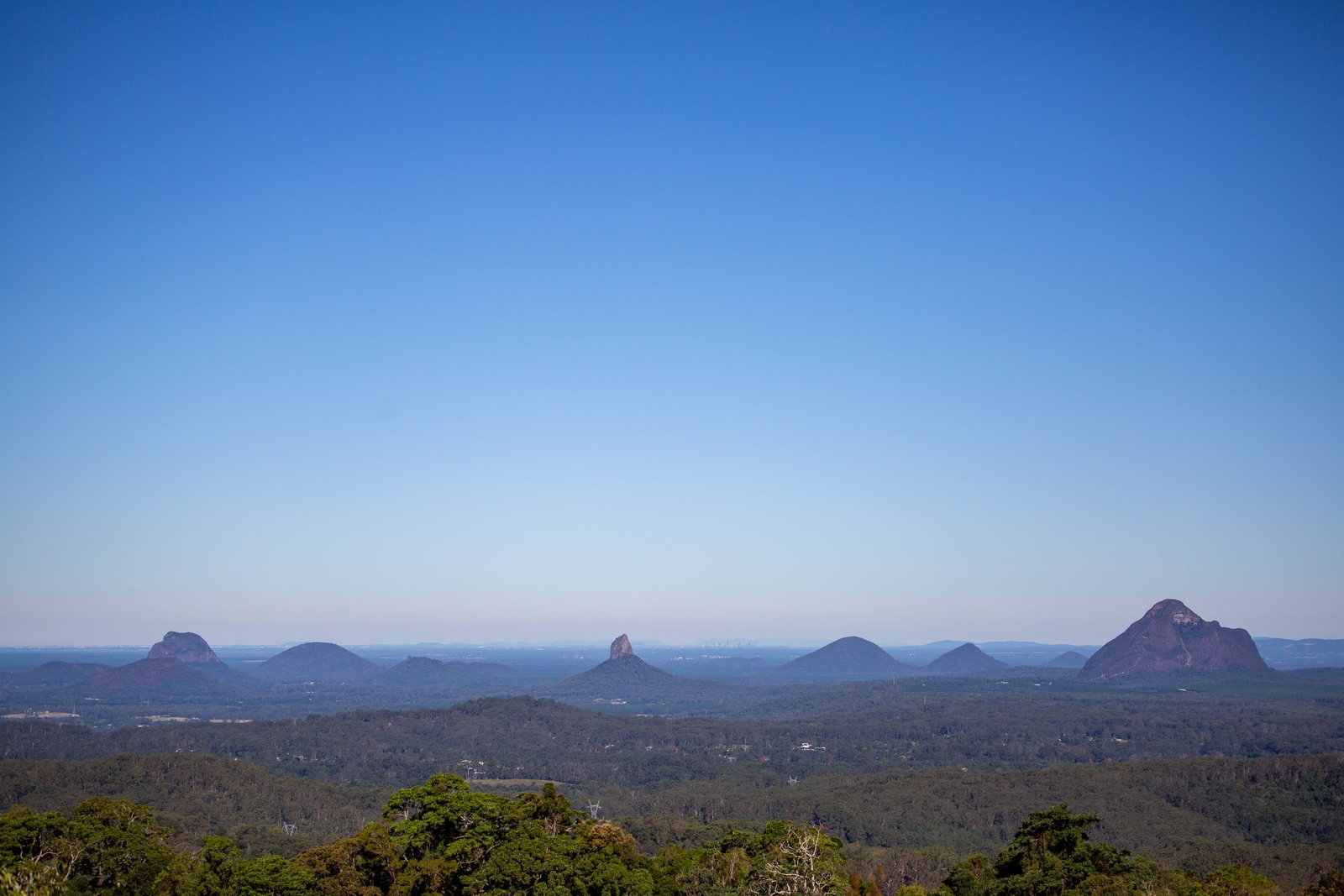
Over several months, undercover officers cultivated Cowan, drawing him into a fictional criminal gang and gaining his trust. The operation worked. Cowan confessed to the officers that he had killed Daniel, and said he was ready to take members of the organisation to the place where he had hidden the body. When he arrived at the scene, a wooded area in the Glass House Mountains, police were waiting. He was arrested on the spot, on 13 August 2011, and charged with Daniel’s murder.
Days later, on 17 August, and again on 21 August, searchers found bones at the site — two shoes and three human bones at first, and eventually seventeen bones, including a rib, a hip, a leg, an arm and vertebrae, along with clothing and a belt. DNA from Daniel’s toothbrush confirmed they were his. His funeral was held at Siena Catholic College on 7 December 2012, nine years to the day after he disappeared.
The trial
Cowan’s history was part of the trial record. He had two previous convictions for sexually abusing children, the earliest dating back to 1987. The second, in 1994, brought convictions for gross indecency, grievous bodily harm and deprivation of liberty, and a seven-year prison sentence. He was living in the Beerwah area, close to where Daniel waited for his bus, when the boy disappeared — a fact the police had known since the early days of the investigation, but which, on its own, was never enough to charge him. It took the undercover operation, eight years later, to turn suspicion into proof. The prosecution’s case rested on his confession to the undercover officers, on the location of the remains, and on the evidence of his past. The defence argued that the confession had been obtained by trickery, and that the “Mr Big” technique was unfair. The court admitted the confession, and the trial went ahead, drawing worldwide attention — a case that had haunted Australia for a decade, finally being heard in open court.
On 13 March 2014, the jury found Cowan guilty on all counts: murder, indecent treatment of a child under 16, and interfering with a corpse. The next day, he was sentenced to life imprisonment, with the possibility of parole after 20 years — in August 2031. The court heard that Cowan had picked Daniel up from the bus stop, taken him to a house in the Beerwah area, assaulted him, and strangled him when the boy tried to escape, before hiding the body in the Glass House Mountains and throwing the boy’s clothes into a river.
The verdict brought the case to a legal end, but the technique that solved it remains controversial. “Mr Big” operations have been criticised by lawyers and civil liberties groups, who argue that they can produce false confessions from vulnerable suspects. In Daniel’s case, the confession led police directly to the remains — which is the strongest possible corroboration. The remains were where Cowan said they would be.
Eight years of waiting
For eight years, Daniel’s disappearance was Queensland’s highest-profile crime case, and his parents made sure it stayed that way. Bruce and Denise Morcombe founded the Daniel Morcombe Foundation, which works on child safety education across Australia. Every year, on the last Friday of October, schools mark the Day for Daniel: children wear red — Daniel’s favourite colour — and learn about personal safety, about recognising danger and about speaking up. The foundation has become one of the country’s leading child safety organisations, and its work is Daniel’s lasting legacy.
The investigation, meanwhile, never really stopped. Police considered many suspects over the years, but Cowan remained the focus: a man with a history of child sex offences, living in the area, who had been questioned early on and had denied everything. There was no evidence to charge him — until the undercover operation gave the police what they needed.
The “Mr Big” technique is controversial. Undercover officers spend months befriending a suspect, offering money, friendship and status in a fictional criminal organisation, and encouraging him to confess. Critics say it can produce false confessions, particularly from vulnerable people. Supporters say it works precisely because the suspect believes he is among criminals, and talks freely. In Daniel’s case, the confession was corroborated in the strongest possible way: Cowan led police to the place where the remains were, and they were there.
In 2022, the story of the investigation was dramatised in the film The Stranger, starring Joel Edgerton as the undercover officer and Sean Harris as Cowan. The film told the story from the inside — the long, patient work of winning a killer’s trust, and the moment when that trust finally broke him.
What the case left behind
Daniel Morcombe’s murder changed Australia. The Daniel Morcombe Foundation has become one of the country’s leading child safety organisations, and the Day for Daniel is now observed in schools across the country. The case also changed how Australian police investigate missing children, and how they use undercover operations.
In 2022, the story of the investigation was dramatised in the film The Stranger, starring Joel Edgerton and Sean Harris, which told the story of the undercover operation from the inside. But the real story is simpler, and sadder. A boy waited for a bus that never came, and got into a stranger’s car. His family waited eight years to learn what had happened to him. And the man who killed him was caught because, in the end, he wanted to boast about it to people he thought were criminals like him.
What is documented — and what is not
Documented: Daniel James Morcombe, 13, was abducted from a bus stop under the Kiel Mountain Road overpass in Woombye, Queensland, on 7 December 2003. Brett Peter Cowan was arrested on 13 August 2011 after confessing to undercover police officers during a “Mr Big” operation and leading them to a burial site in the Glass House Mountains. Seventeen bones were recovered and identified as Daniel’s using DNA from his toothbrush. On 13 March 2014, Cowan was found guilty of murder, indecent treatment of a child under 16, and interfering with a corpse, and on 14 March 2014 he was sentenced to life imprisonment with parole possible after 20 years. Cowan had two previous convictions for sexually abusing children.
Unverified or unproven: The precise sequence of events at the house in Beerwah, and the exact manner of Daniel’s death, rest on Cowan’s statements to the undercover officers and on the court’s findings, not on independent witnesses. Claims about Cowan’s involvement in any other disappearance have not been established.