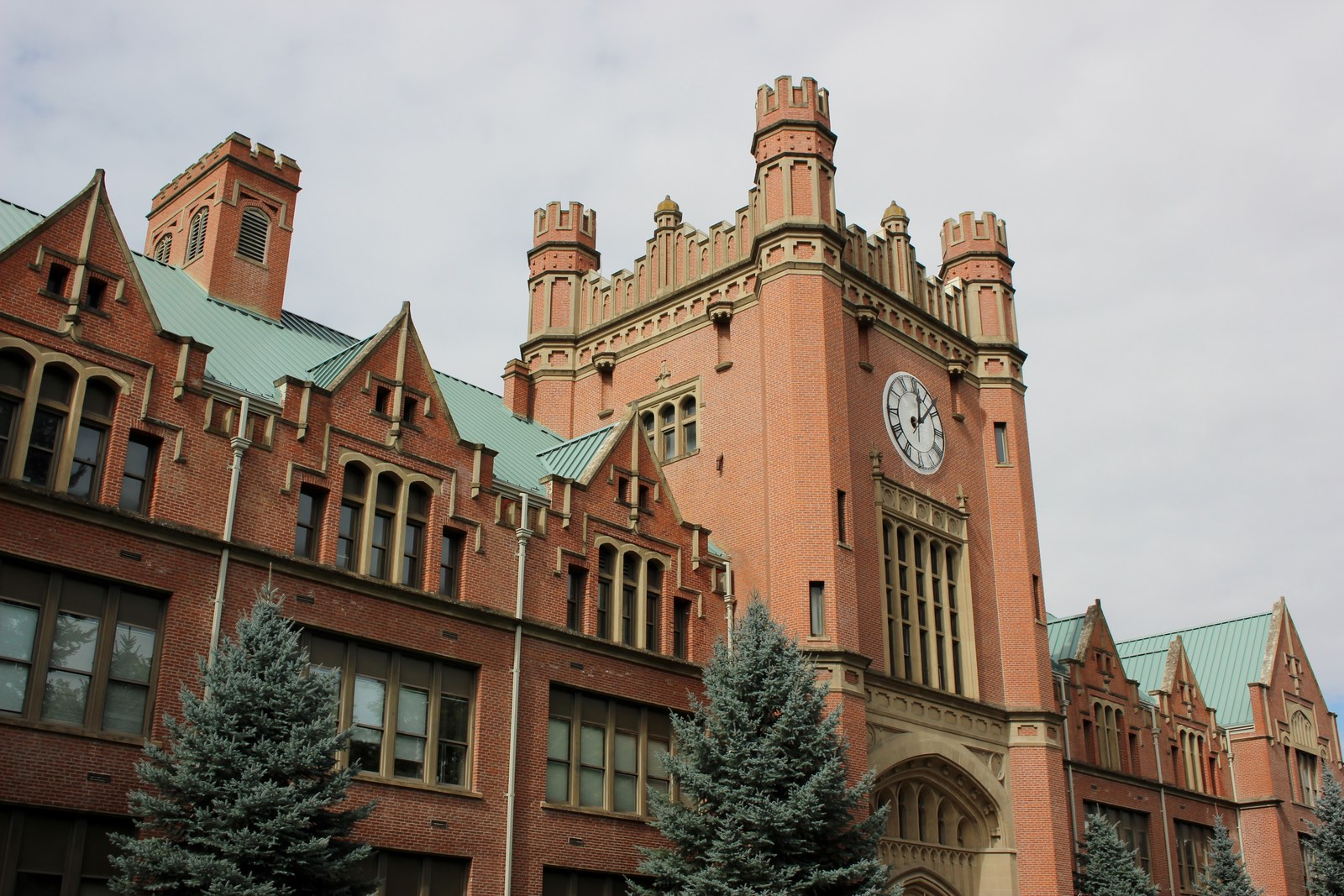
In the early hours of 13 November 2022, four University of Idaho students were killed in an off-campus house in Moscow, Idaho. The victims were Madison Mogen, 21, Kaylee Goncalves, 21, Xana Kernodle, 20, and Ethan Chapin, 20. Two other students who lived in the house survived. The killings shocked a small college town, drew national attention for months, and were resolved — in legal terms — when Bryan Kohberger pleaded guilty in July 2025 and was sentenced to four consecutive terms of life in prison without parole.
This article reports only what is established by the investigation, the plea and the sentence. It does not repeat the online speculation that surrounded the case, and it does not speculate about a motive, because investigators have never publicly stated one.
The Victims
Madison Mogen, 21, was a senior studying marketing. Kaylee Goncalves, 21, was a senior in general studies and Madison’s best friend. Xana Kernodle, 20, was a junior studying marketing. Ethan Chapin, 20, was staying the night with Xana; he did not live in the house but was there that evening. They lived, with two other roommates, in a three-storey rented house at 1122 King Road, near the University of Idaho campus.
The four students were found dead on the morning of 13 November 2022. A coroner determined that they had been stabbed with a large, single-edged blade, used with significant force, consistent with a KA-BAR-style knife. This article will not describe the injuries further. The four young people at the centre of this case were students with families, friends and plans, and the manner of their deaths is not the story.
Two roommates, Bethany Funke and Dylan Mortensen, were in the house that night and survived. They have since been subjected to intense public attention and harassment online. Their experience is a reminder that the harm of a case like this extends beyond the people who were killed.
The Investigation
The house at 1122 King Road was demolished on 28 December 2023, more than a year after the killings. Before that, investigators had worked through the physical evidence. The central piece was a tan leather KA-BAR knife sheath, bearing a U.S. Marine Corps insignia, found on the bed next to Madison Mogen’s body. Analysts recovered a single-source male DNA profile from the button snap of the sheath. The profile was uploaded to CODIS, the FBI’s national DNA database, but returned no match, because Kohberger had no prior criminal record.
Investigators turned to investigative genetic genealogy — the technique of comparing crime-scene DNA with DNA held in consumer genealogy databases to identify relatives of an unknown person. On 22 November 2022, the Idaho State Police sent the DNA sample to Othram, a forensic genetic genealogy company in Texas. In December, the FBI took over the genealogy work and identified a possible source.
To confirm the lead, investigators collected discarded trash from the Kohberger family home in Pennsylvania on 27 December 2022. DNA from that trash was reported to belong to the biological father of the person whose DNA was on the knife sheath. A buccal swab taken directly from Kohberger after his arrest later confirmed a full match.
The Arrest
On 30 December 2022 — 47 days after the killings — a joint team of Pennsylvania State Police, the FBI, the Moscow Police Department and the Idaho State Police arrested Bryan Kohberger at his parents’ home in Chestnuthill Township, Monroe County, Pennsylvania, where he had travelled for the holidays. He was 28 years old, a criminology doctoral student at Washington State University in Pullman, Washington, about ten miles from Moscow.
The Guilty Plea and the Sentence
It never went to trial. Kohberger had been indicted in May 2023 on four counts of first-degree murder and one count of burglary, with prosecutors seeking the death penalty. On 30 June 2025, he accepted a plea agreement, and on 2 July 2025 he appeared at the Ada County Courthouse in Boise and pleaded guilty to all five charges. In a signed factual basis for the pleas, and in court, he admitted responsibility for the willful, unlawful and deliberate killings. He told the judge that he was entering the pleas freely and voluntarily and had not been coerced. The plea agreement took the death penalty off the table, and Kohberger waived his right to a jury trial and his right to appeal.
On 23 July 2025, District Judge Steven Hippler sentenced him to four consecutive life sentences without the possibility of parole, plus the maximum 10 years for the burglary count. He was also ordered to pay 270,000 dollars in fines, fees and civil penalties. He is serving his sentence at the Idaho Maximum Security Institution in Kuna, Idaho.
No motive has been publicly established. Investigators have revealed no motive, and Kohberger gave no explanation in court beyond admitting the killings. That absence of explanation has been painful for the victims’ families, and it has fuelled a great deal of speculation online. None of that speculation is evidence, and none of it is repeated here.
The Plea Challenge
On 27 July 2026, Kohberger filed a handwritten petition asking the court to set aside his convictions and allow him to withdraw his guilty pleas, claiming he had been pressured by his former lawyers into falsely confessing. Those claims have not been accepted by a court and contradict his sworn statements at the July 2025 plea hearing. A hearing has been scheduled for June 2027. At the time of writing, the convictions and the four consecutive life sentences remain in force, and no new trial has been granted.
What Is Established, and What Is Not
Documented facts: Madison Mogen, 21, Kaylee Goncalves, 21, Xana Kernodle, 20, and Ethan Chapin, 20, were killed in the early hours of 13 November 2022 at 1122 King Road, Moscow, Idaho; a KA-BAR knife sheath bearing a single-source male DNA profile was found at the scene; investigative genetic genealogy and a DNA sample from discarded family trash led investigators to Bryan Kohberger; he was arrested on 30 December 2022 at his parents’ home in Pennsylvania; he was indicted in May 2023 on four counts of first-degree murder and one count of burglary; on 2 July 2025 he pleaded guilty to all five counts under an agreement that removed the death penalty; on 23 July 2025 he was sentenced to four consecutive life terms without parole plus 10 years for burglary, and ordered to pay 270,000 dollars in fines, fees and civil penalties; no motive has been publicly stated by investigators; the murder weapon itself was never recovered.
Unverified or disputed: Kohberger’s July 2026 claim that he was pressured into a false confession is an unproven allegation in a pending petition; it contradicts his sworn plea-hearing statements and has not been accepted by any court. Online theories about a motive, about other people involved, or about the surviving roommates are speculation and are not repeated here. The June 2027 hearing date and the October 2026 hearing on the request to remove the judge are as reported in 2026 and should be confirmed before publication, as court schedules can change.
Sources
- https://legalclarity.org/bryan-kohberger-murders-plea-deal-and-sentencing/
- https://legalclarity.org/how-did-bryan-kohberger-get-caught-dna-car-and-cell-data/
- https://www.crimetimesnacks.com/blog-posts/bryan-kohberger-from-arrest-to-courtroom.html
- https://people.com/bryan-kohberger-family-backs-bid-undo-guilty-plea-12126009
- https://www.usatoday.com/story/news/crime/2026/11/06/idaho-college-murder-survivor-harassment/92624313007/